Hated and Underrated
Hated and Underrated
The Damage by the “Lion King”
Why do people hate Hyenas without even knowing them, Mister Disney? Ten and more Facts to change your mind and open your eyes.
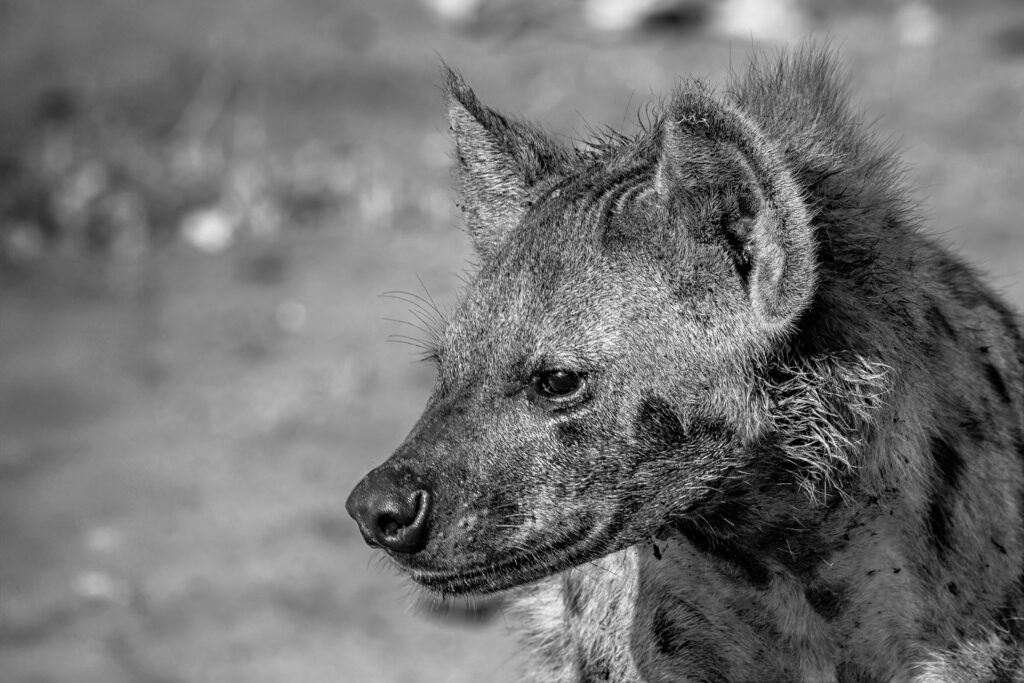
How much “damage” has “The Lion King” done? How many clichés has it created? For goodness sake, an enjoyable animated film, sometimes beautiful, but which has accentuated in the Western collective imagination the division between “good animals” (and “beautiful”) and “bad animals” (and “ugly”), riding a trend already widespread in various cultures, that is, to consider hyenas as unworthy animals and with purely negative traits.
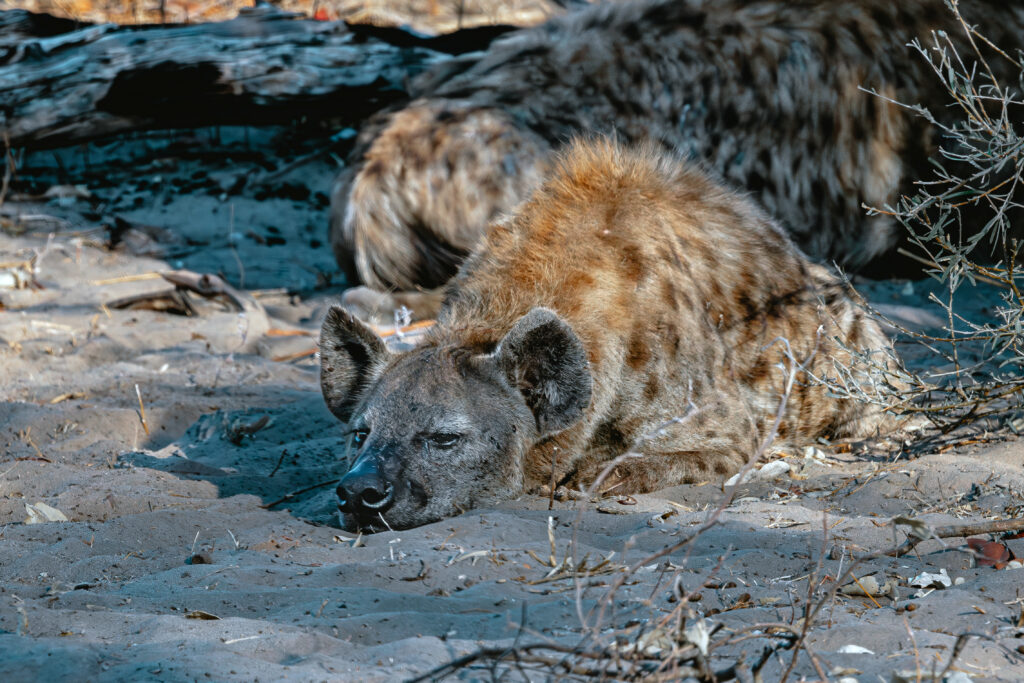
Personally, I have always had a weakness for animals hated and despised by everyone, victims above all of our being slaves to aesthetic canons (ours and only ours) and, indeed, clichés. Hyenas are among these, Disney has taken them as an iconography of “evil” in the animal world, because they are ugly, evil, mean, indolent, unreliable, and so on, basing this classification on mere aesthetic canons. Hyenas, despite being often associated by morphology more with Canids than with Felines, are actually much closer to a feline than to a wolf. They belong to the feliform family of carnivorous mammals (four existing species to date) and are one of the smallest families of the order Carnivora.
“…multiple studies have shown the lions are more likely to scavenge
from Hyena kills, owing to the Hyena’s higher success rate”
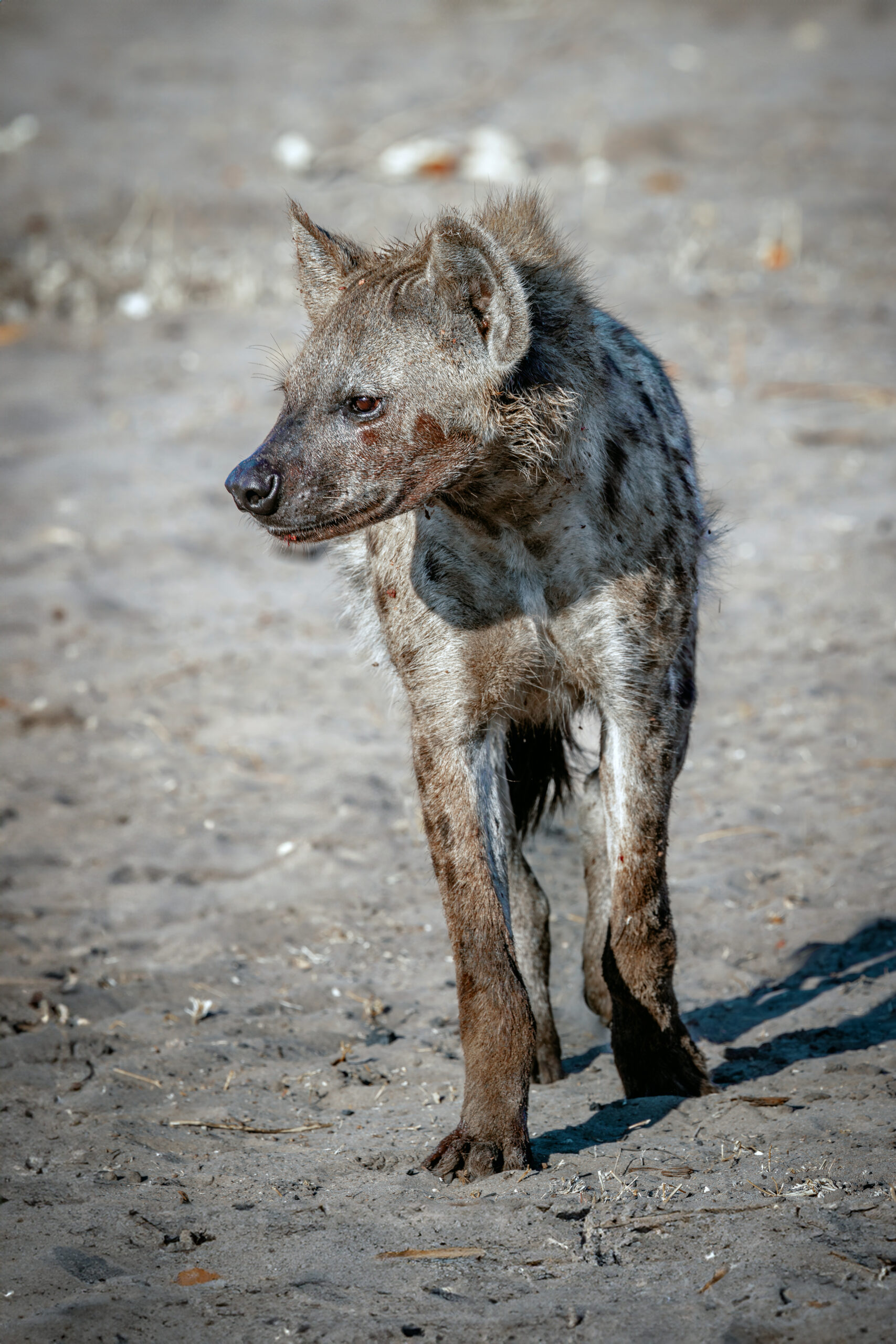
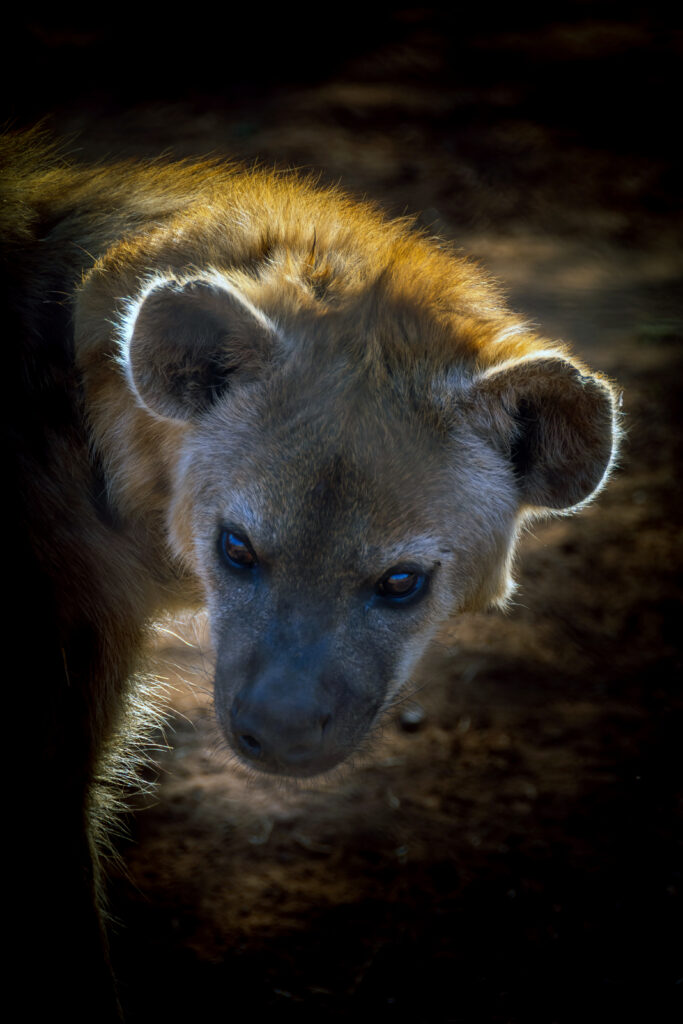
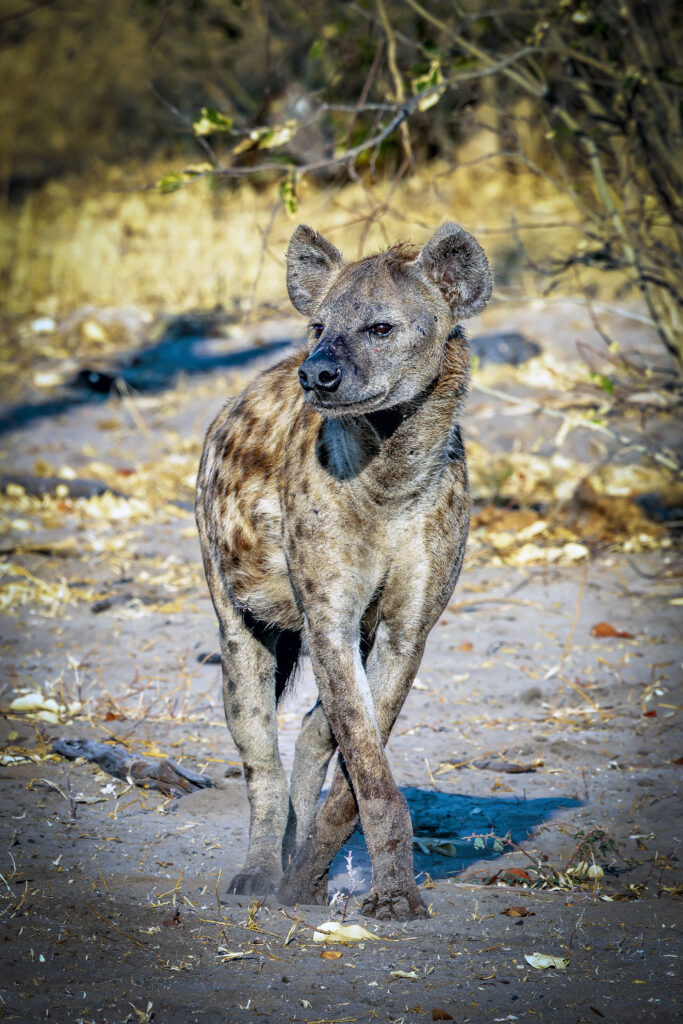
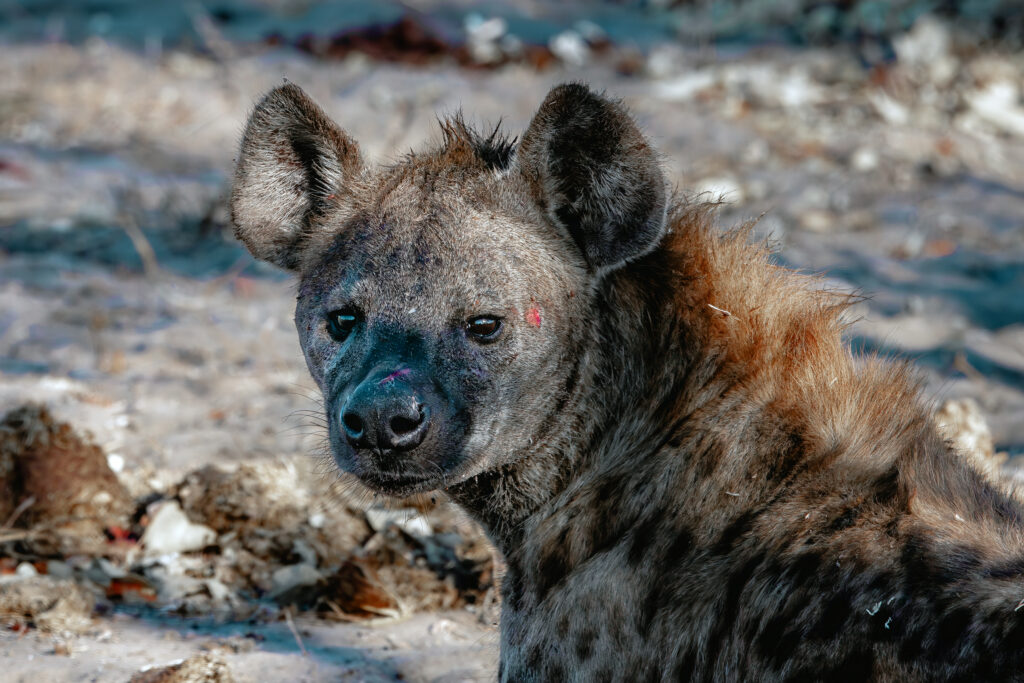
Let’s start with the first fundamental consideration: Hyenas are a fundamental component of most African ecosystems. This makes them one of the most misunderstood and under-appreciated species in the Animal Kingdom.
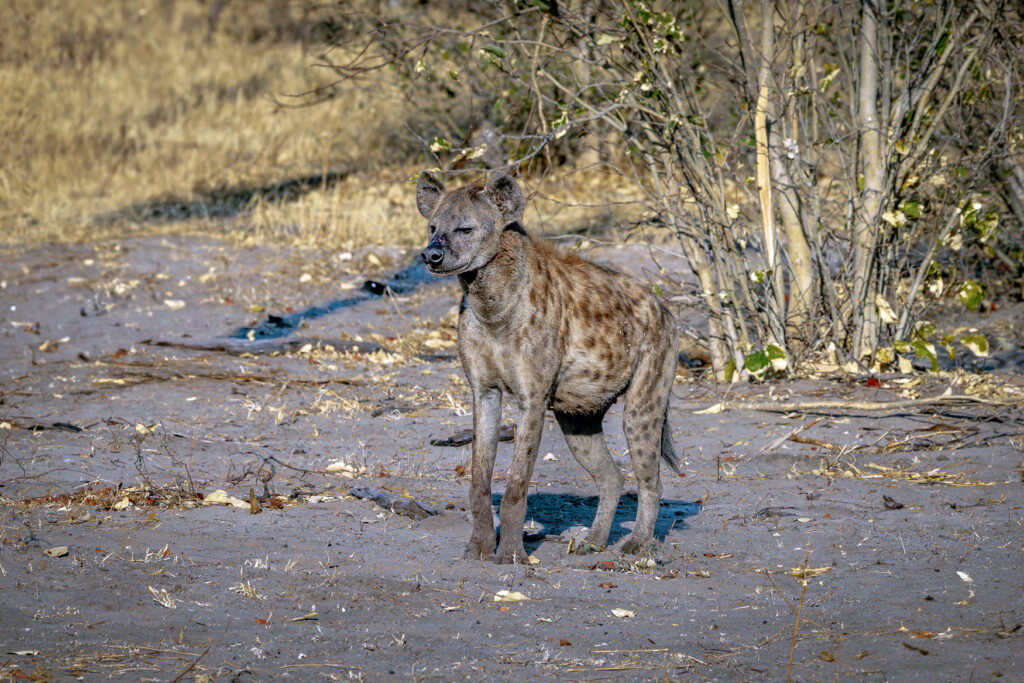
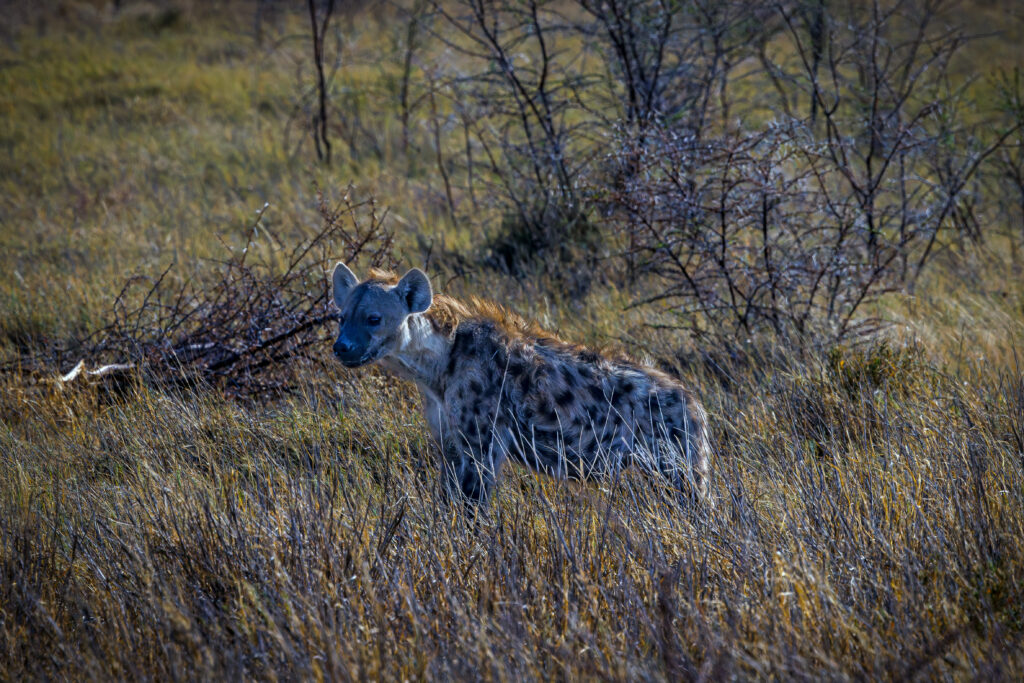
I have often had the opportunity to observe Hyenas (especially the spotted ones) and one thing unites all the Rangers, Guides, volunteers and who in some way have direct or indirect contact with them: Hyenas are a magnificent and underrated animal. Everyone says, no one excluded.
I would like to try to dispel some false myths (Lion King, you again…) and give you enough reasons to try to change your point of view and your opinion on this magnificent and fundamental animal.
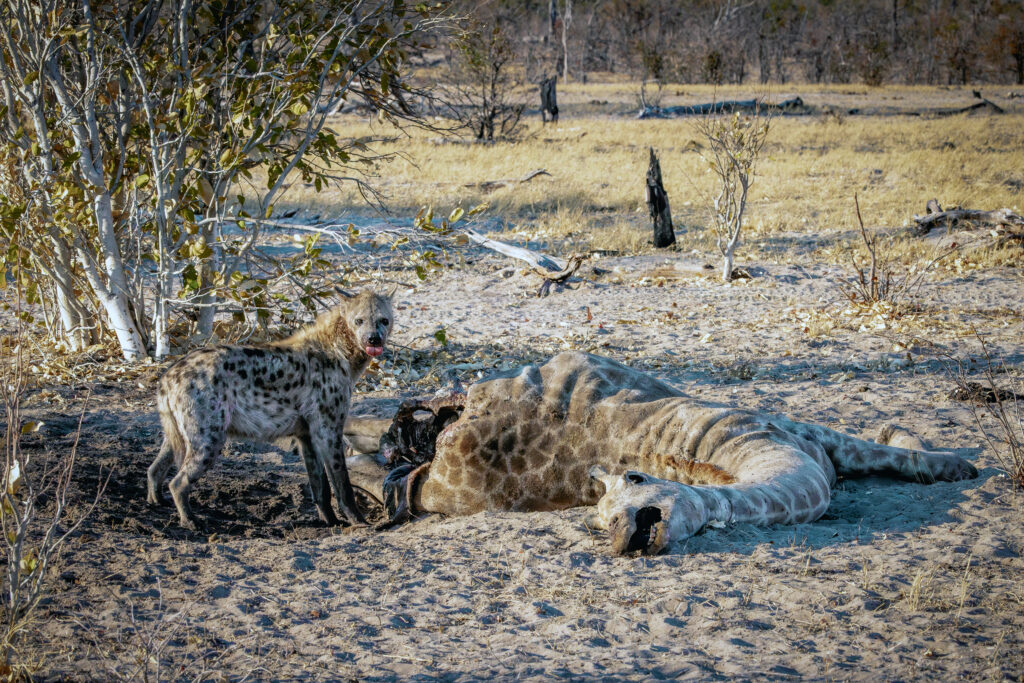
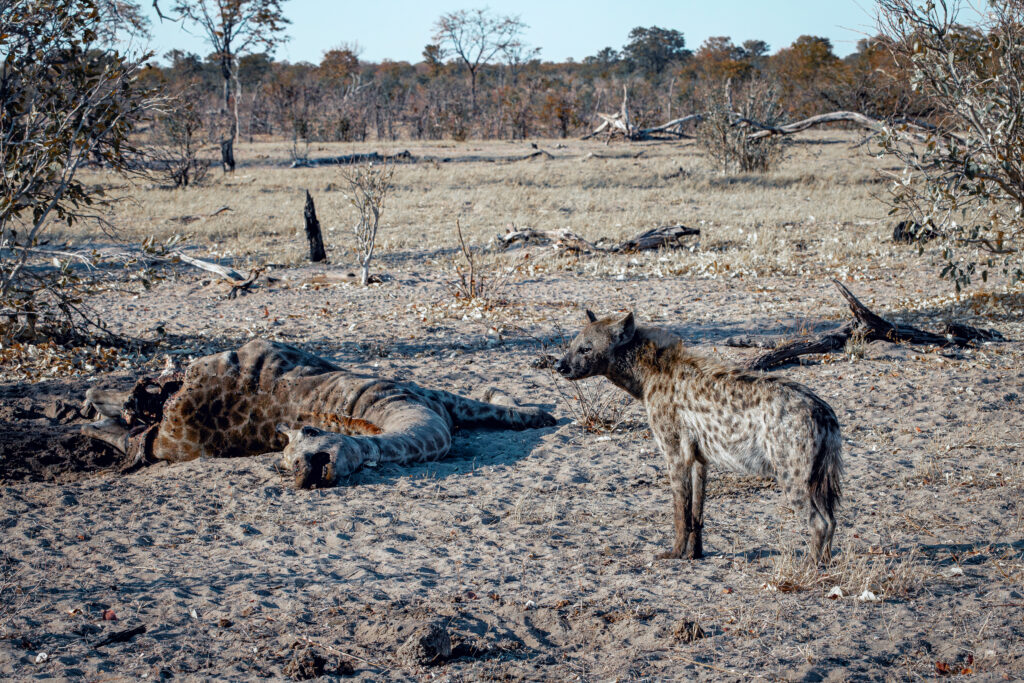
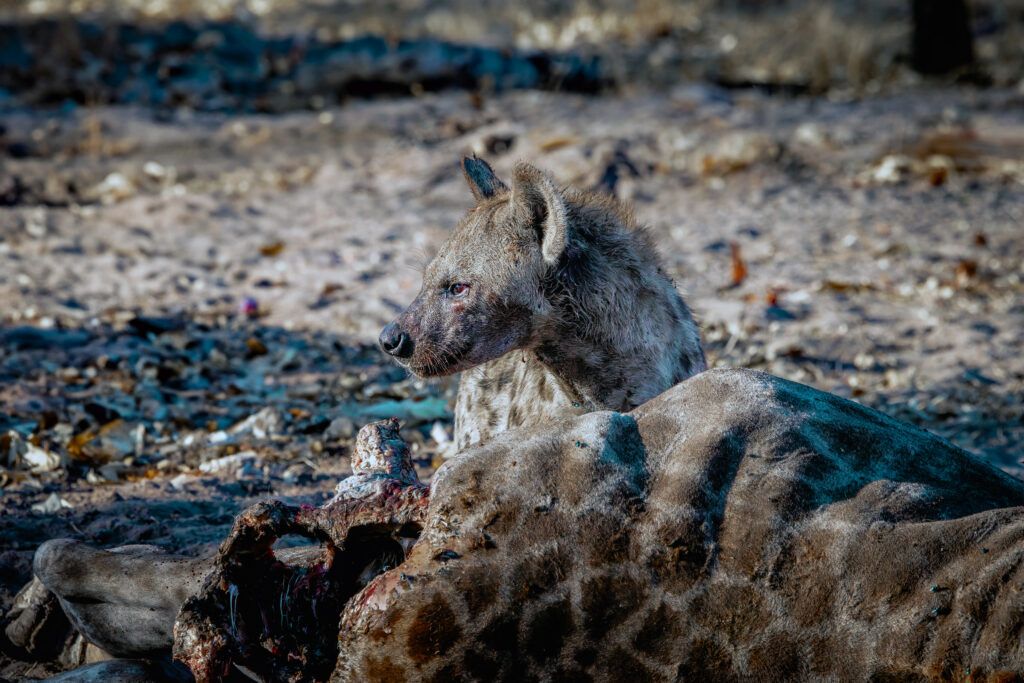
1) The most annoying, deep-rooted and false lie is that hyenas live on the leftovers of lions’ meals. False, indeed very false. Obviously Hyenas are scavengers, but they are much more, Spotted Hyenas directly hunt between 70 and 90% of the prey they feed on,
2) They can bring down prey many times their size. For an animal the size of big dog, it’s amazing that they have been recorded killing Cape Buffalos and Giraffes. As for the Lions, who are the supposed providers for the inept Hyena, multiple studies have shown the Lions are more likely to scavenge from Hyenas kills, owing to the hyena’s higher success rate.
3) Hyenas are not cowards, on the contrary, Hyenas are able to drive away even larger predators, such as Lions, from their prey.
“…In some experiments spotted hyenas have even outperformed chimpanzees in group problem solving“
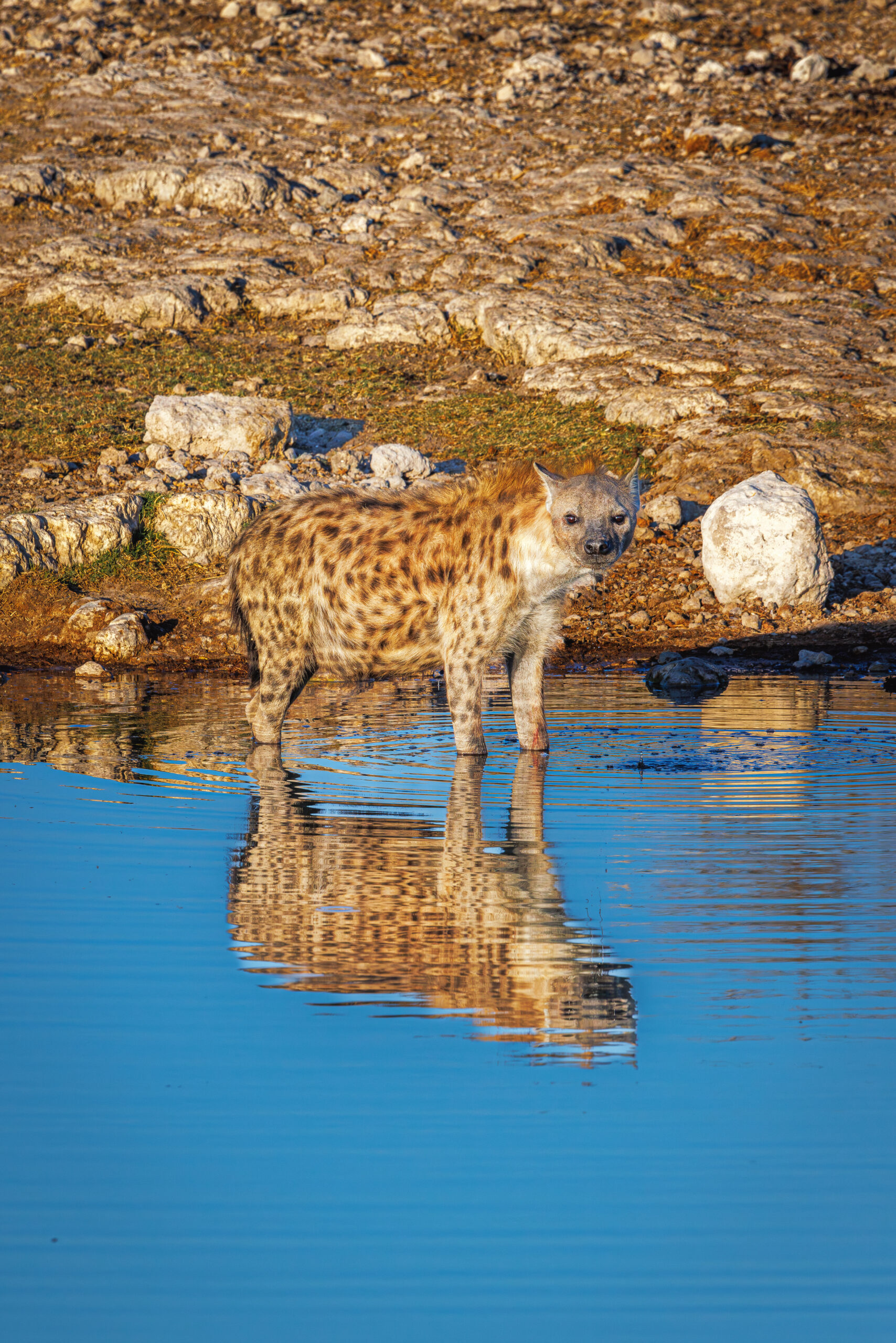
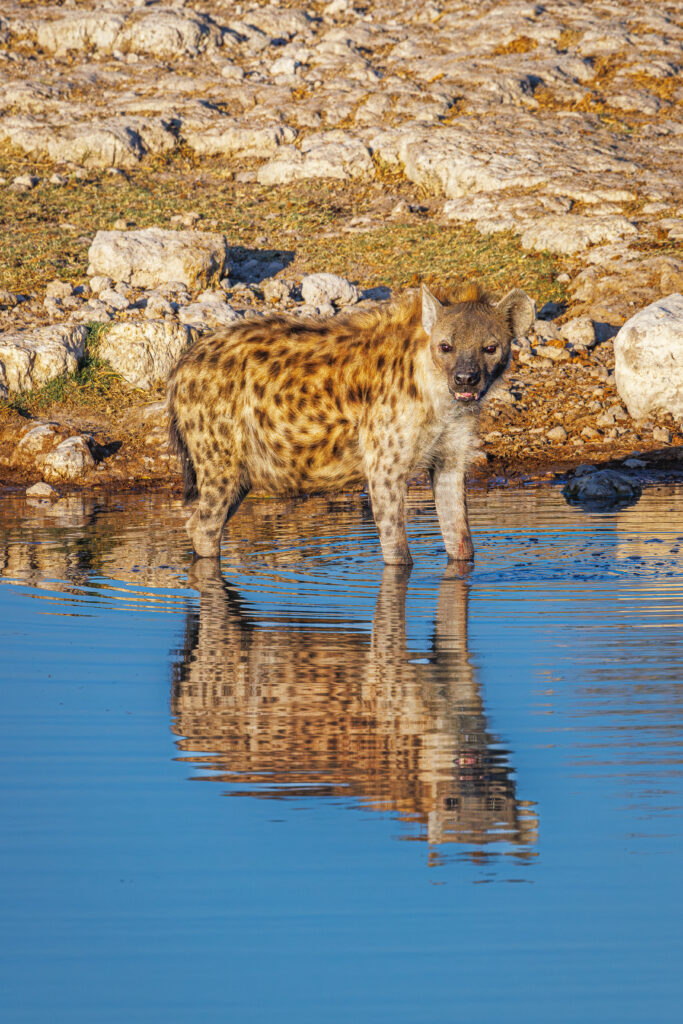
4) Hyenas are some of the best mothers in the Animal Kingdom, investing more energy per cub than any other terrestrial carnivore.
5) Hyenas are incredibly intelligent. Spotted hyenas show incredible intelligence is thought to mimic the evolution of human intelligence, with complex social behaviors driving brain evolution. In some experiments spotted hyenas have even outperformed chimpanzees in group problem solving and they have even been observed rudimentary tool use by hyenas to achieve goals such as escaping from cage traps.
6) Hyenas CAN COUNT. Studies have shown that spotted hyenas can determine the number of other hyenas in a rival clan or other animal groups and decide what to do, if attack or not, if wait or give up. It may be not “math”, but Spotted Hyenas are able to count.
7) A bite from a Hyena can kill instantly and even shatter bones. The jaw muscles exert pressure of 1,100 psi or about 9,000 newtons (depending on the study). This allows spotted hyenas to crack bones nearly 2½ inches in diameter (about 6 centimeters) which allows the hyenas to access to the nutrient-rich marrow inside, inaccessible to most other animals.
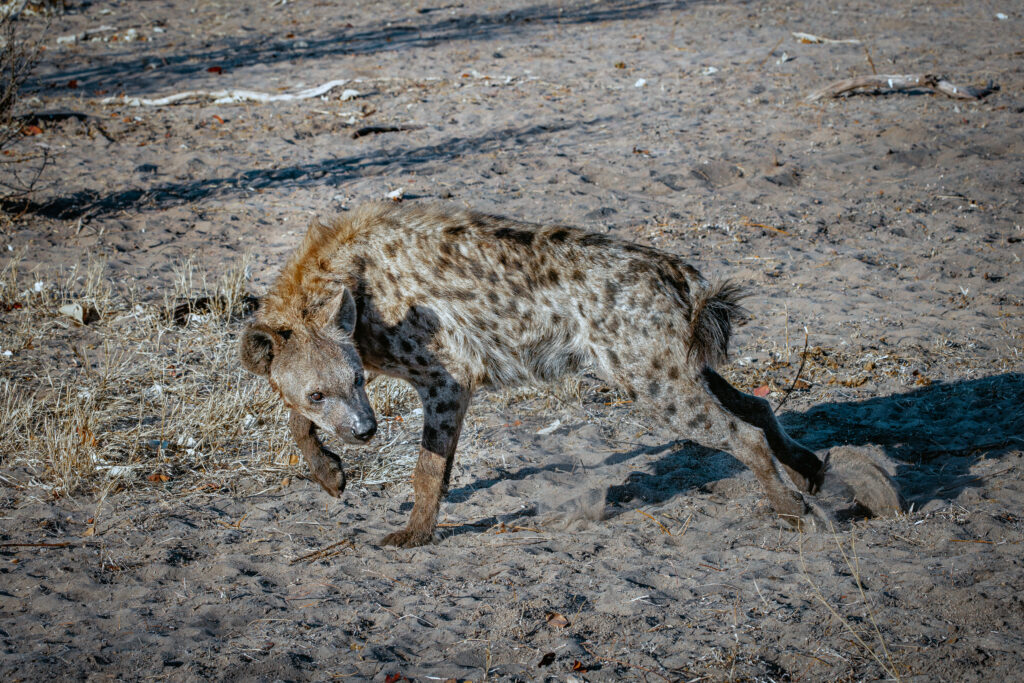
8) Spotted hyenas live in groups called “clans” that can number up to 100/130 individuals. These clans are made up of mostly related females who are the most dominant, from their cubs who assume the rank directly below the mother and from non-natal males who have immigrated from other clans once they reach sexual maturity. The female dominance of Hyenas is quite unique for a large carnivore, within the clan there is a matriarch who is the most socially dominant female and leads the clan, but there is also a complex social network of friendships and even political alliances, which become even more evident when the matriarch dies and a power vacuum is created. Isn’t it incredible?
9) The Spotted Hyenas has vocal qualities unlike any other carnivore, especially due to their complex social nature. The most “known” “call” is their “laugh”, for this reason the Spotted Hyena has often been called the “laughing hyena”, but the laugh is not a sign of funnyness, but often it is an expression of social anxiety and uncertainty. The hyenas’ whoop is the next most common call and is heard throughout the night in places where they roam (I heard them camping in Botswana last summer, quite scary). There are several different whoops that all mean different things. In total they have over 11 distinct vocalizations (for some researchers claiming there are up to 28). Regardless of the count, the presence of complex and diverse forms of vocal communication means we are talking about a complex and intelligent animal.
10) The Hyenas are the “Health Service” of the bush. Without them and their ability to digest even infected and decaying meat and elements, without any consequences, the spread of diseases potentially lethal to all other animals, would grow exponentially. The Hyenas (along with other “mistreated” animals such as vultures and all other scavengers in general) are the disinfectant of the savannah, they are the ones that control and eliminate potential outbreaks of infection.
If reading all this has not changed your mind, or at least understood that not all that glitters is Disney, that in nature there is no evil or hatred, but only survival, then I wish you to go to Africa as soon as possible and talk to someone who can do it.
“…there is also a complex social network of friendships
and even political alliances“
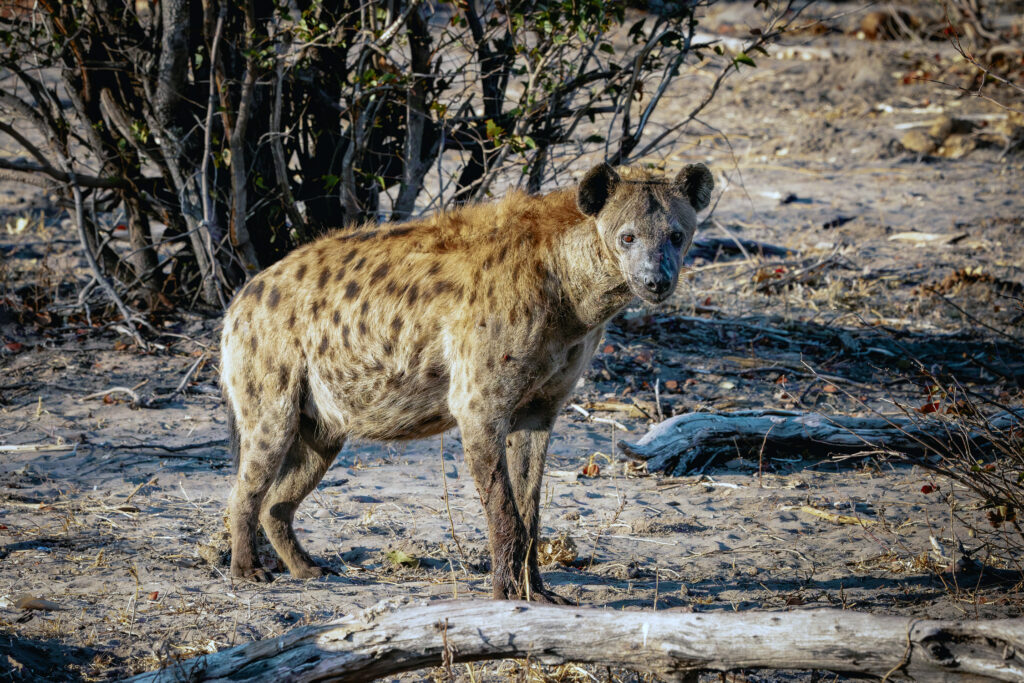
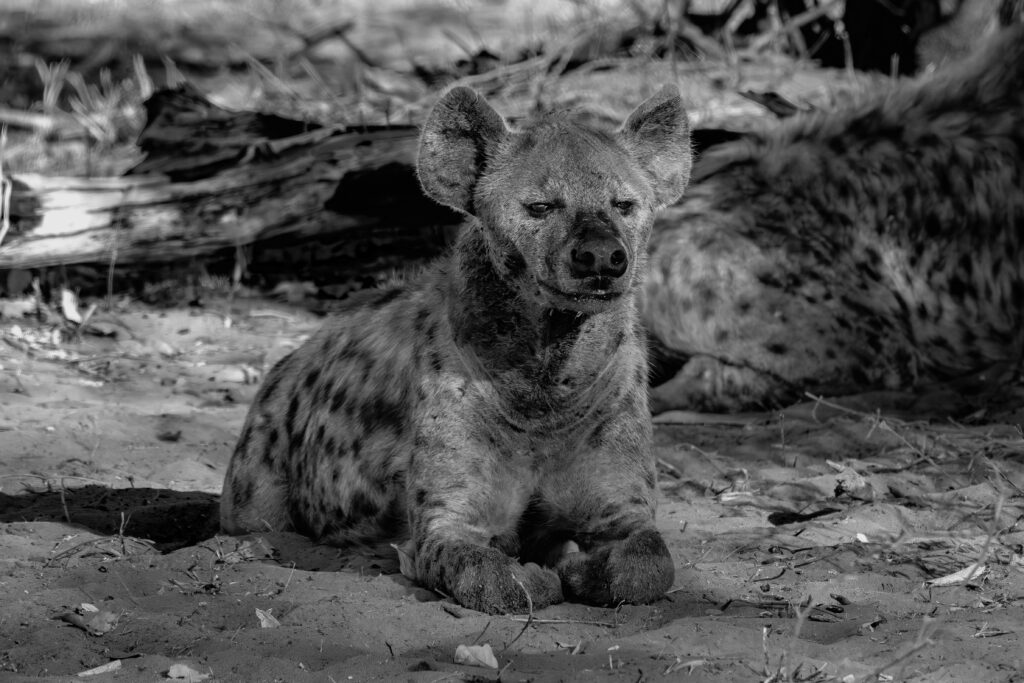
References
- Cooper, S. M. “The hunting behaviour of spotted hyaenas (Crocuta crocuta) in a region containing both sedentary and migratory populations of herbivores.” African Journal of Ecology 28.2 (1990): 131-141.
- East, Marion L., and Heribert Hofer. “Loud calling in a female-dominated mammalian society: I. Structure and composition of whooping bouts of spotted hyaenas, Crocuta crocuta.” Animal Behaviour 42.4 (1991): 637-649.
- Gasaway, W. C., K. T. Mossestad, and P. E. Standers. “Food acquisition by spotted hyaenas in Etosha National Park, Namibia: predation versus scavenging.” African Journal of Ecology 29.1 (1991): 64-75.
- Henschel, J. R., and J. D. Skinner. “Parturition and early maternal care of spotted hyaenas Crocuta crocuta: a case report.” Journal of Zoology 222.4 (1990): 702-704.
- Hofer, Heribert, and Marion East. “and the Commuting System of Serengeti Spotted Hyenas.” Serengeti II: dynamics, management, and conservation of an ecosystem 2 (1995): 332.
- Holekamp, Kay E., Sharleen T. Sakai, and Barbara L. Lundrigan. “The spotted hyena (Crocuta crocuta) as a model system for study of the evolution of intelligence.” Journal of Mammalogy 88.3 (2007): 545-554.
- Kruuk, Hans. “Clan-system and feeding habits of spotted hyaenas (Crocuta crocuta Erxleben).” Nature 209.5029 (1966): 1257-1258.
- Kruuk, Hans. The spotted hyena: a study of predation and social behavior. No. Sirsi) a102104. 1972.
- Marchant, Jo. “Hyenas can count like monkeys.” (2011).
- Mills, Michael GL. “The comparative behavioral ecology of hyenas: the importance of diet and food dispersion.” Carnivore behavior, ecology, and evolution. Springer, Boston, MA, 1989. 125-142.
- Peters, G. “vocalizations in terrestrial carnivores.” (1984).
- Van Horn, Russell C., et al. “Behavioural structuring of relatedness in the spotted hyena (Crocuta crocuta) suggests direct fitness benefits of clan‐level cooperation.” Molecular Ecology 13.2 (2004): 449-458.
- WWF International Website