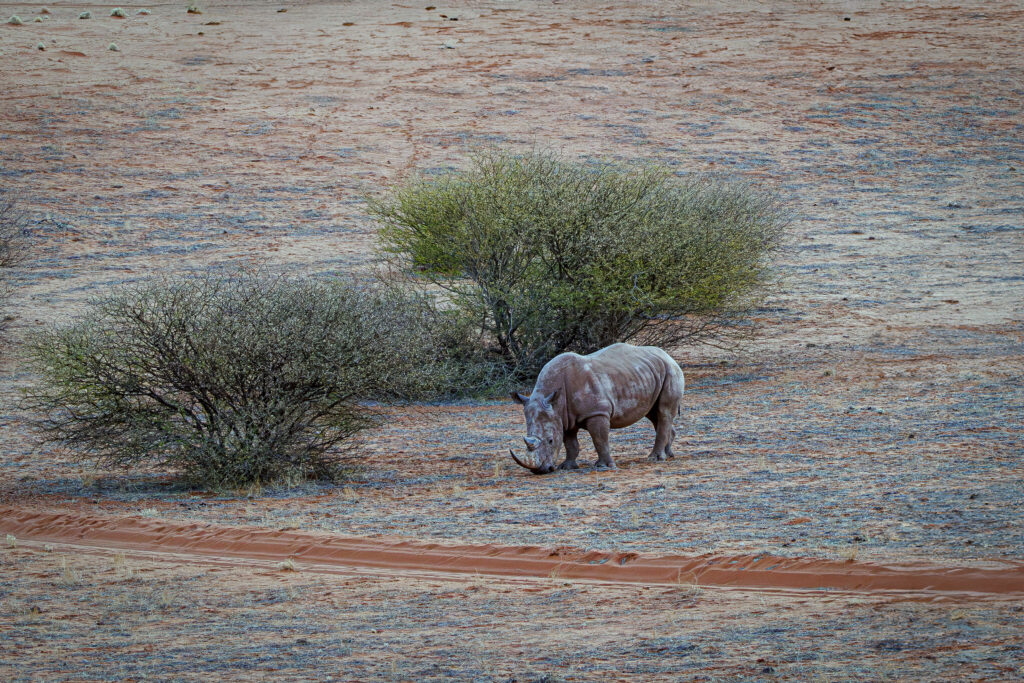
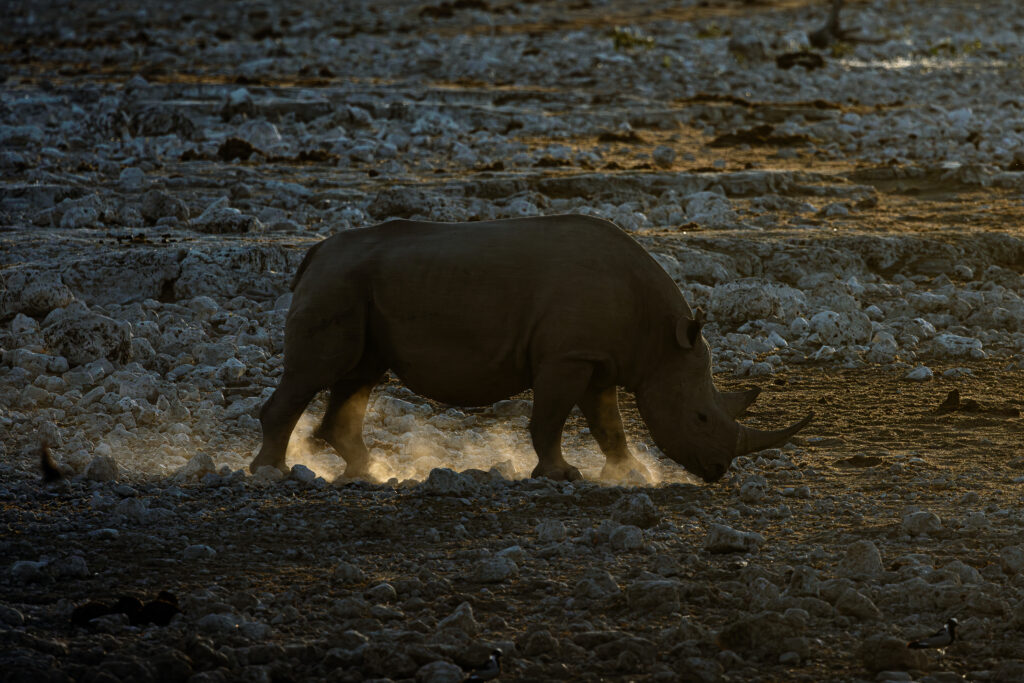
The Importance of Rhinos
“Why are the Rhinos so important?” asks a child. “They are important because they has been on this planet since before us, and it’s not up to us to decide how long they will remain here”. As always, we will not know the true consequences of their extinction until it has occurred, of course, Rhinos are not considered a “key species” for the planet but this is certainly not a valid reason to end their existence.
Rhinos are among the most endangered species on the planet, for some of them it is too late (the Northern White Rhinoceros became extinct in 2018), but for others it is still possible to reverse the trend. Rhinos are victims, in modern times, of hunting, especially illegal, because of their horns which, some believe have “magical” properties (which is absolutely false).
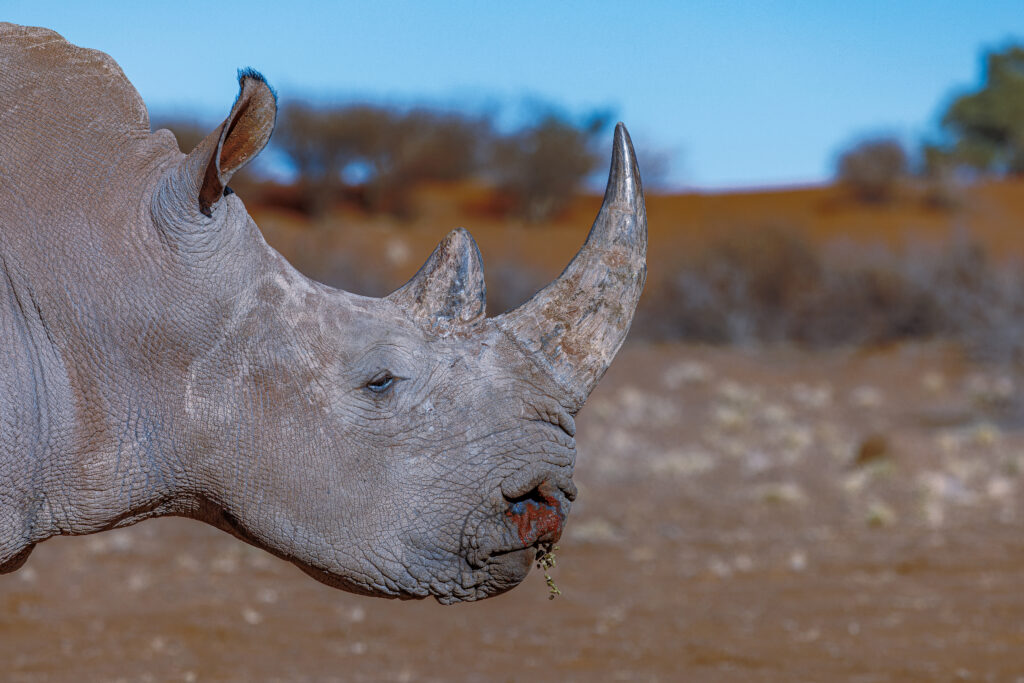
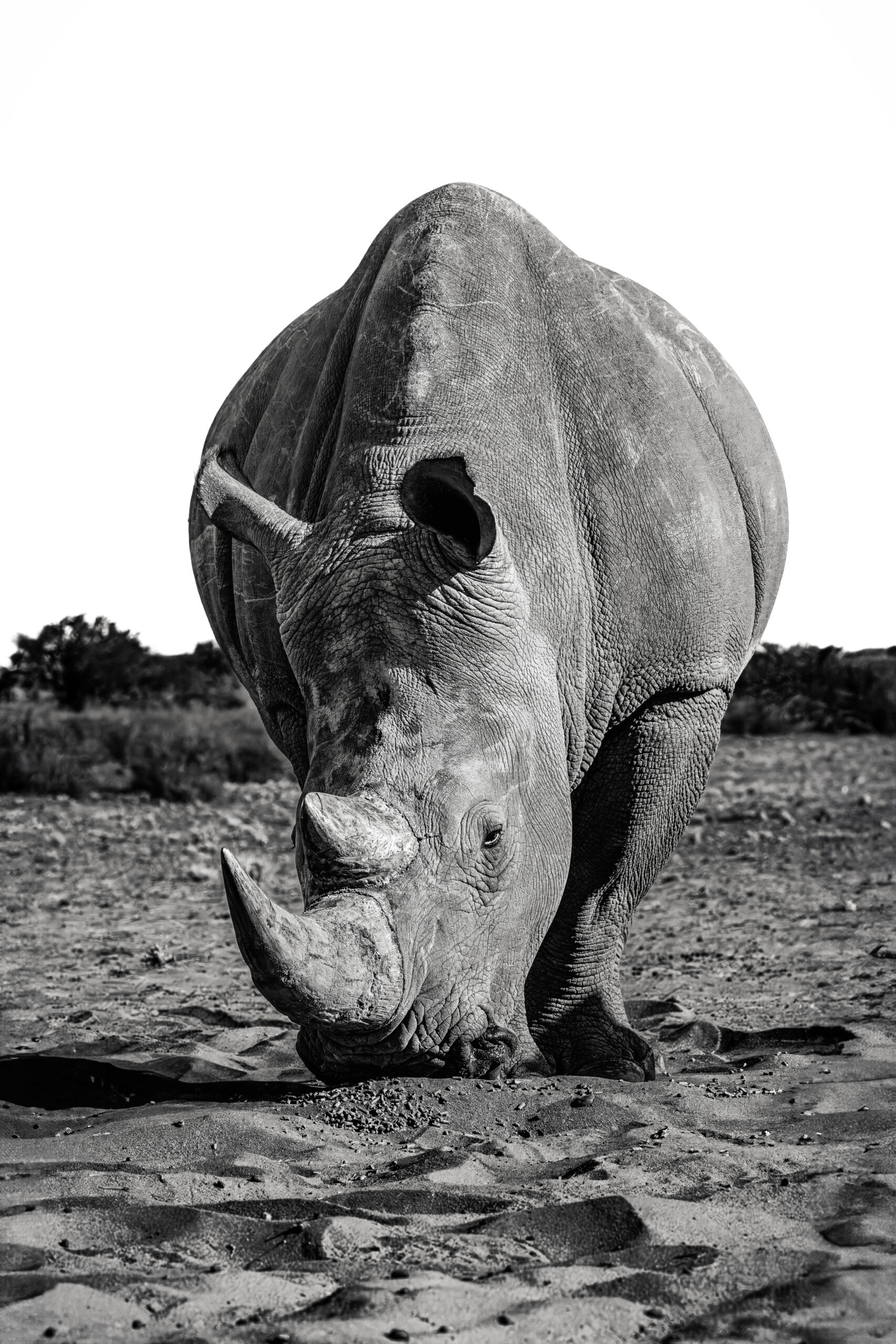
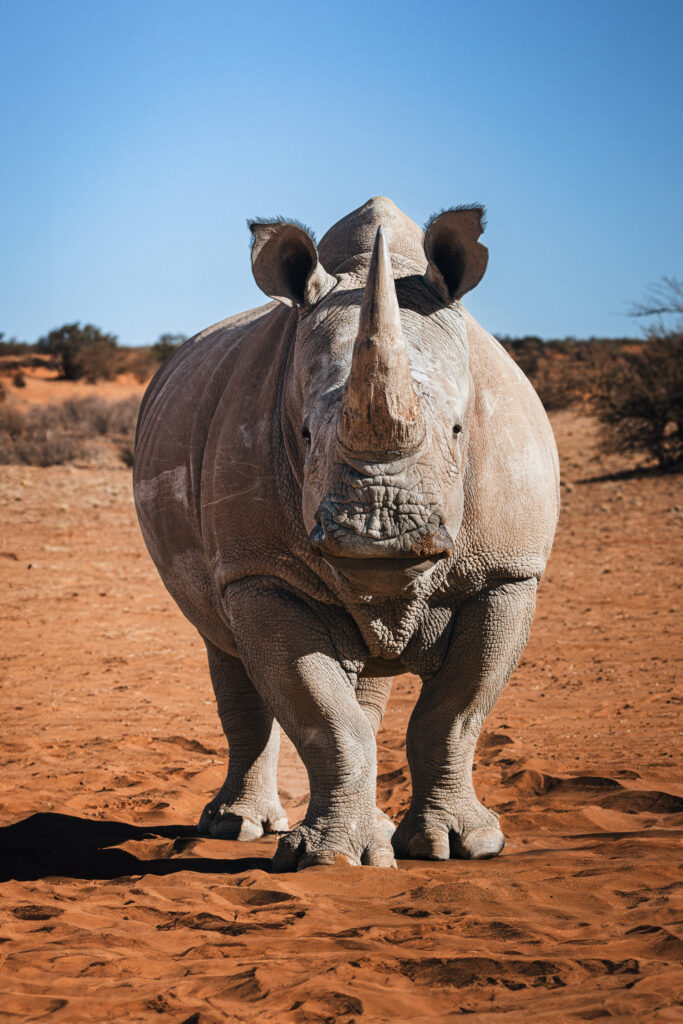
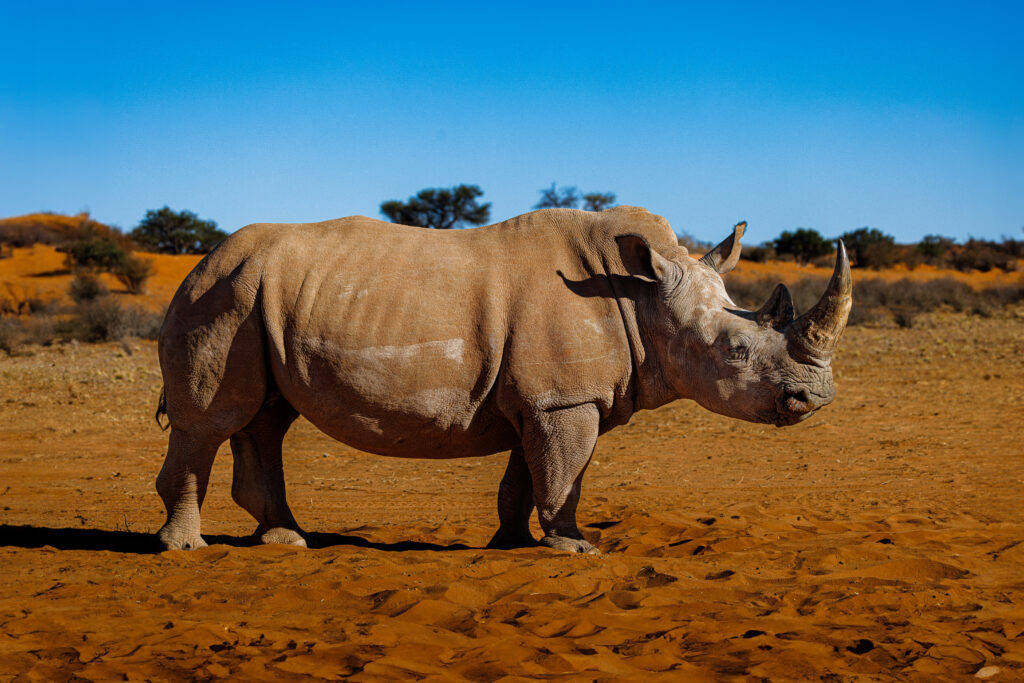
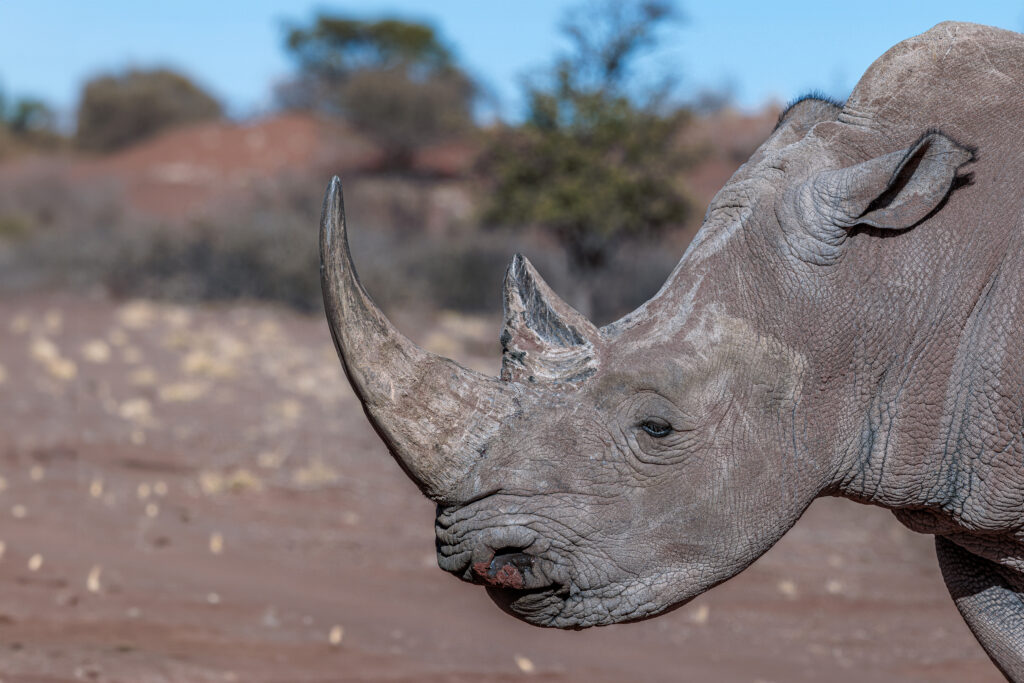
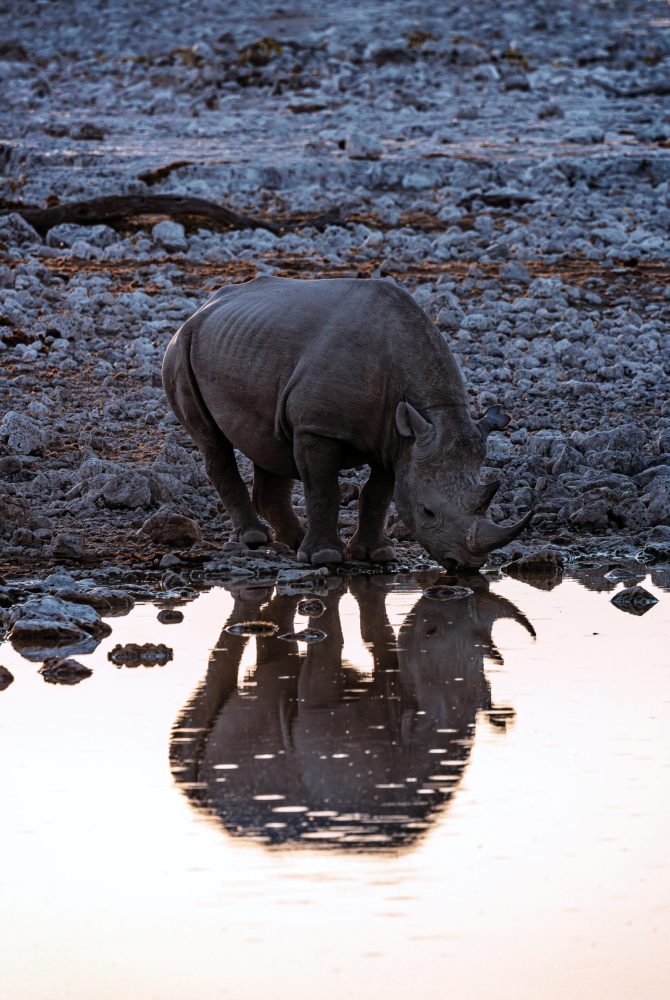
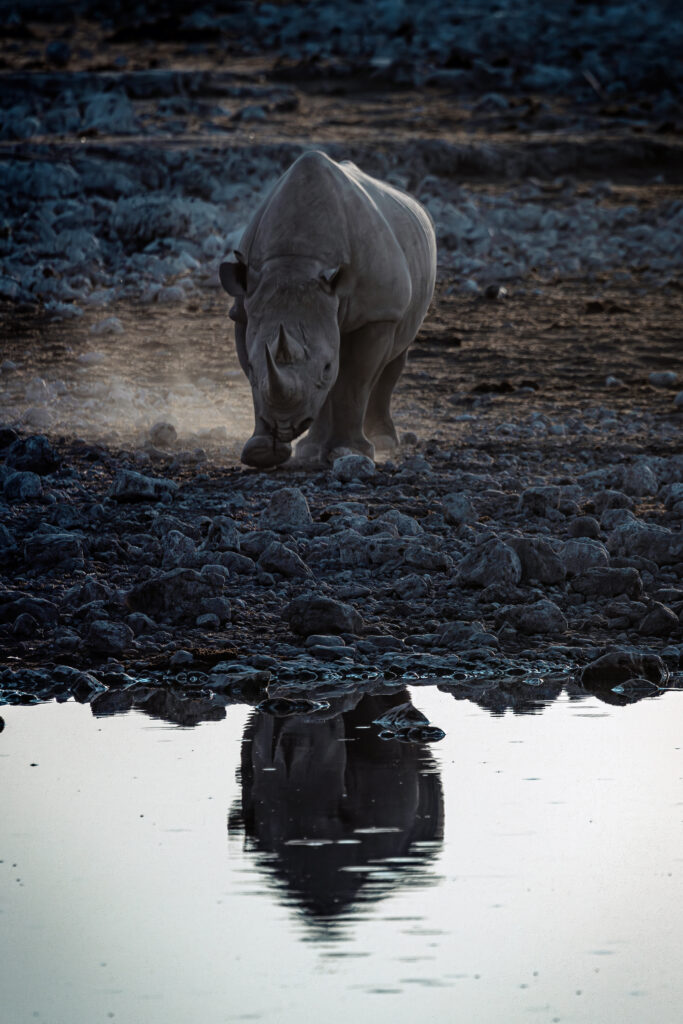
Of the 5 species of Rhinoceros currently living (three Asian, two African) I had the pleasure and fortune of photographing the two African species: the White Rhinos and the Black Rhinos. Their peaceful majesty clashes with the legends that want them to be dangerous animals. Rhinos are not dangerous to humans, until they are disturbed or threatened. I had the opportunity (twice, in Zambia and Namibia) to be very close, no more than 4/5 meters away, to White Rhinos, which are peaceful and not very territorial. Black Rhinos are instead extremely aggressive and territorial (one of the most dangerous species in this sense), but only if you meet them in their territory. If they see you or perceive you, even almost a kilometer away, they come looking for you to charge you. Luckily I met them outside their territory.
Currently in the wild there are about 16.800 White Rhinos left (93% of these are in South Africa), about 6.500 Black Rhinos, about 40 specimens of Sumatran Rhinos, 76 Javan Rhinos, about 4.000 Indian Rhinos (Data source WWF website). They are killed in a barbaric way by poachers, who often cut their horn roughly and badly when they are still alive, leaving them to bleed to death (A Rhino can live without horns, so if they were cut well this would not lead to the death of the animal. But they don’t care).
Why in 2024, when we are able to fly in space, talk about quantum physics, create artificial intelligence and other wonders, someone still believe that the horn dust of a species that appeared on earth in the Pliocene Era (between 5 and 1.65 million years ago) has magical properties? Why can’t we just admire them, respect and study them, photograph them?
Save the rhinos, let’s fight together this absurd illegal trade.