Trying Not to Fall into Birdwatching Hole

Trying Not to Fall into Birdwatching Hole

No, not me…

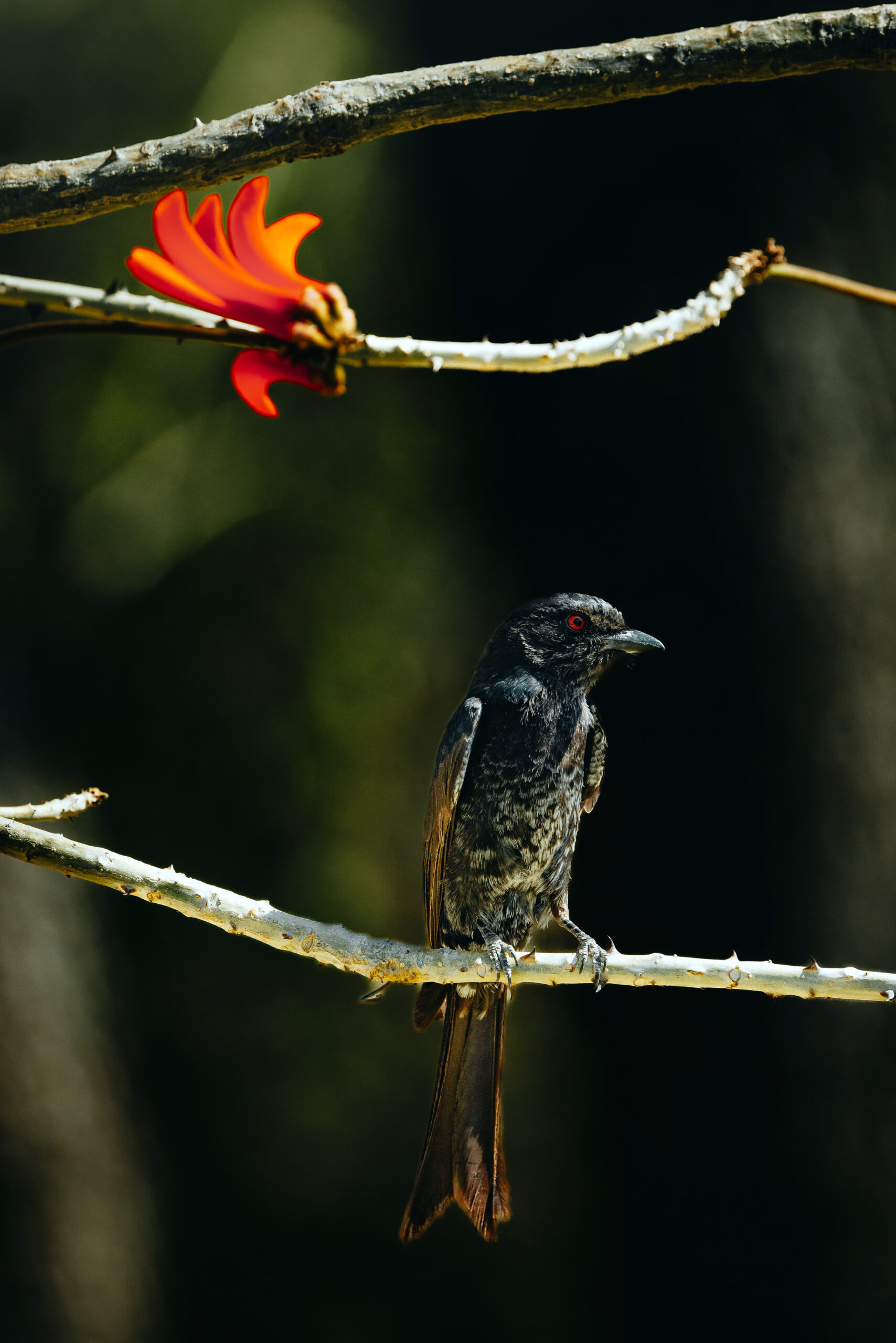
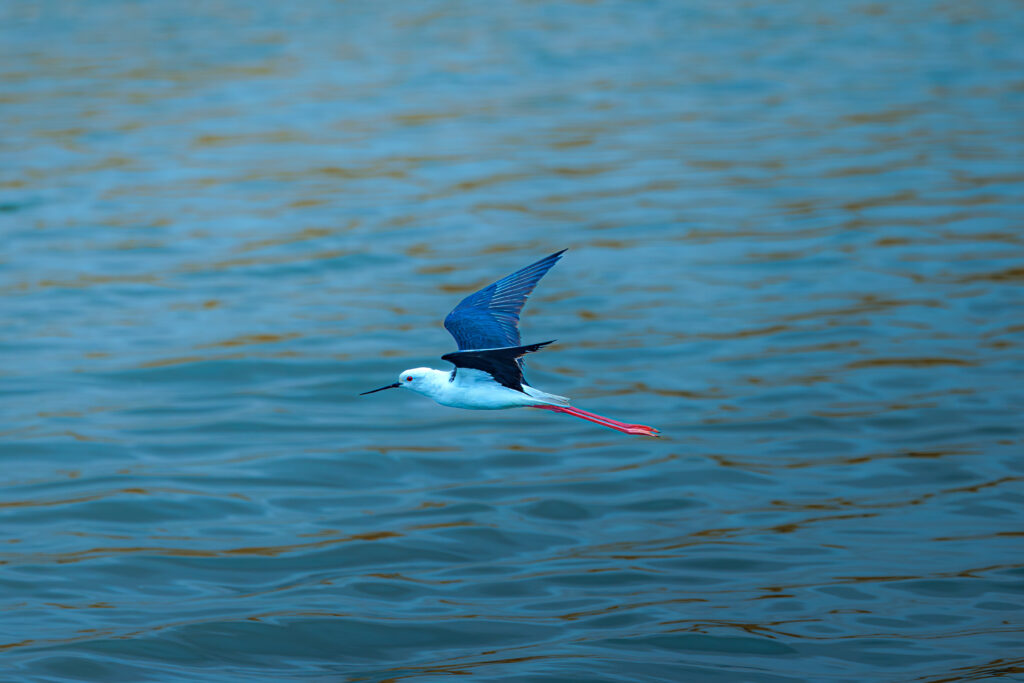
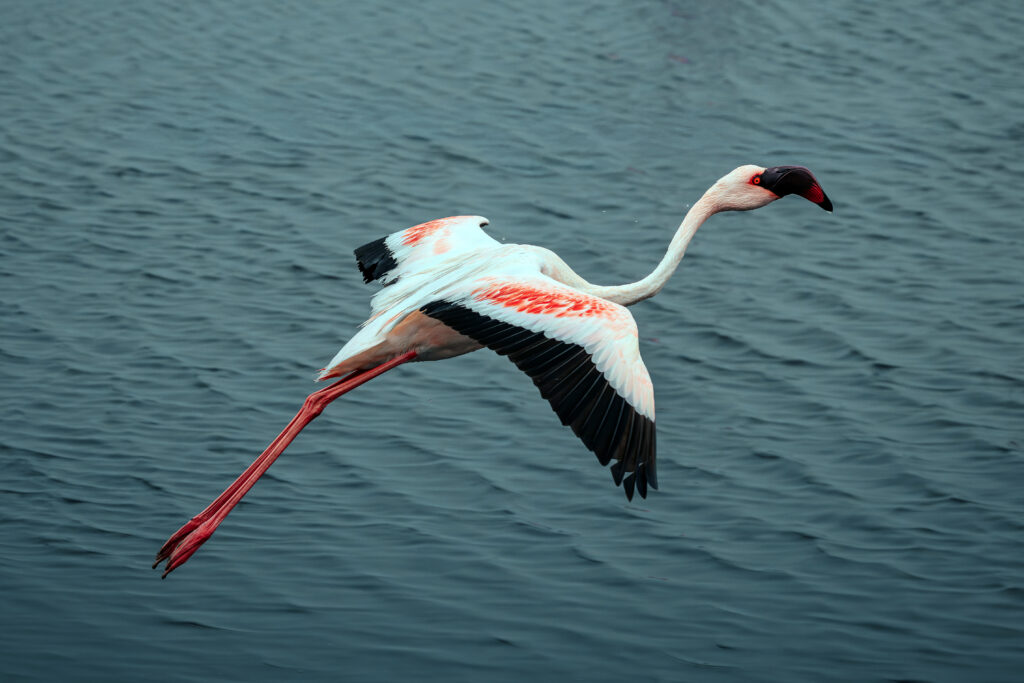
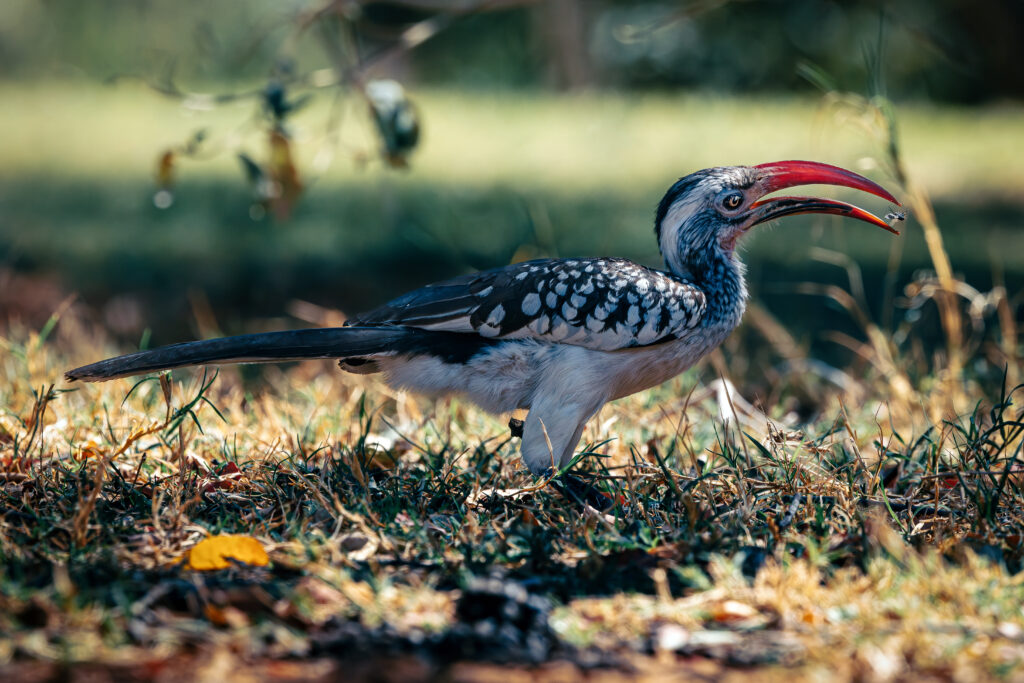
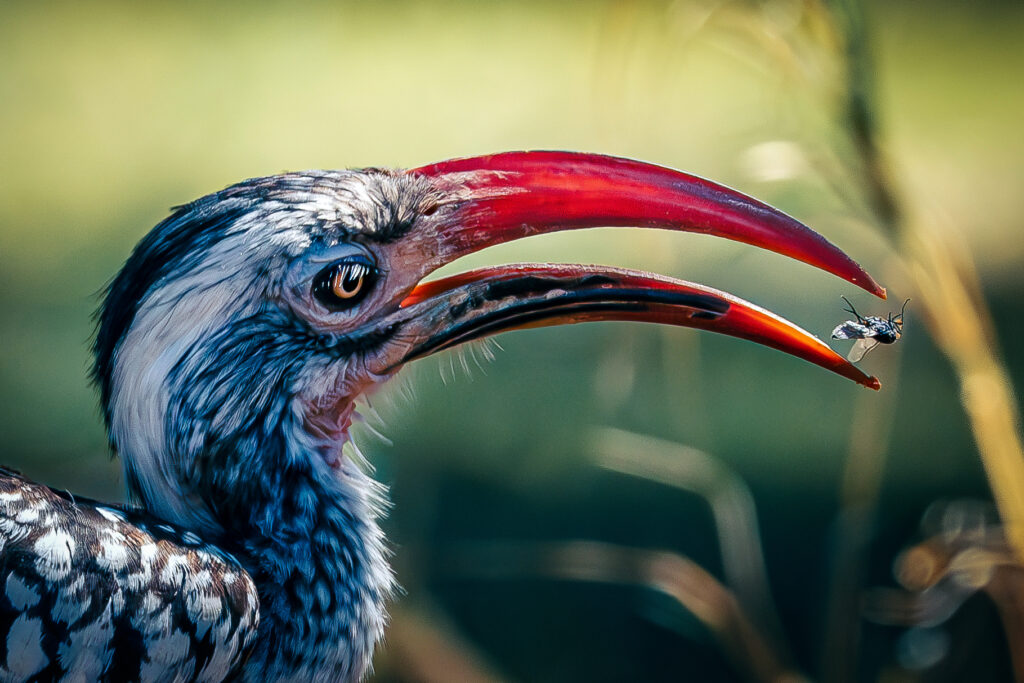
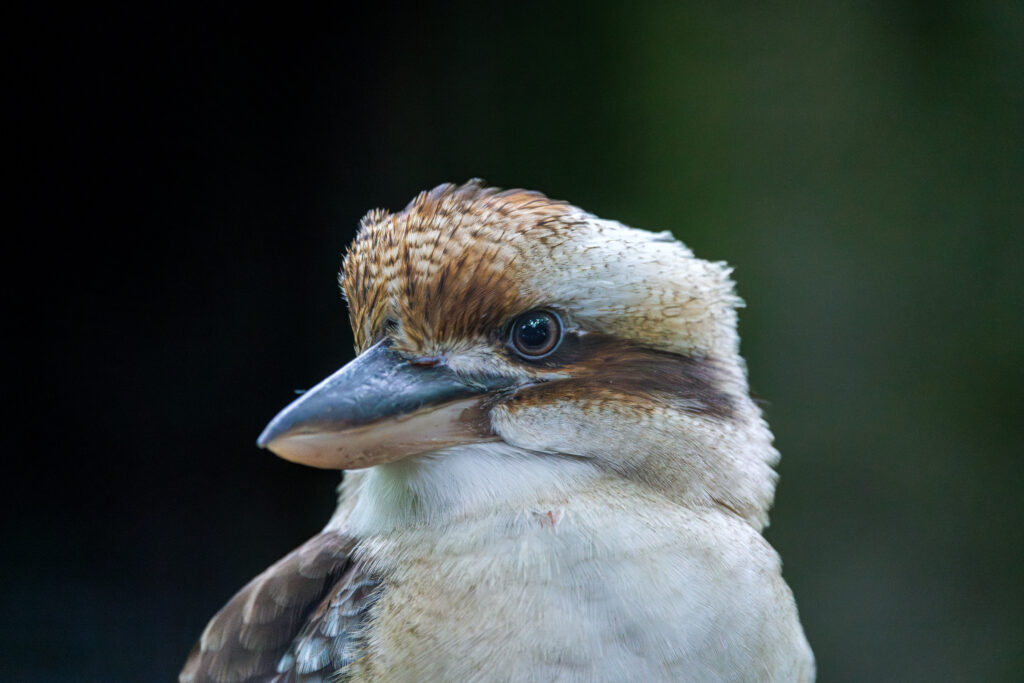
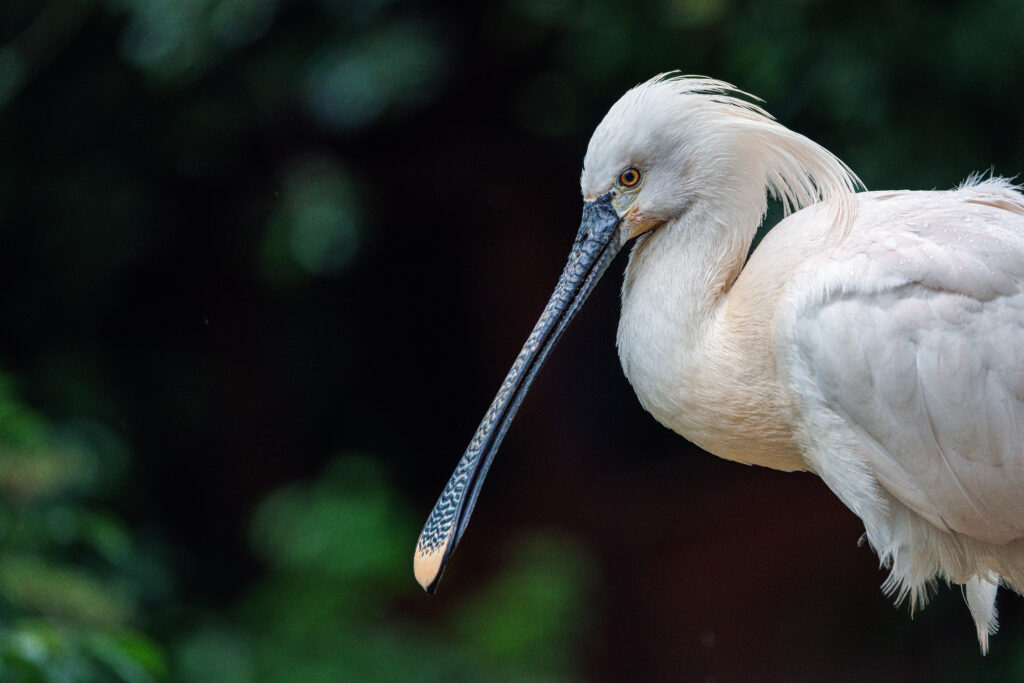
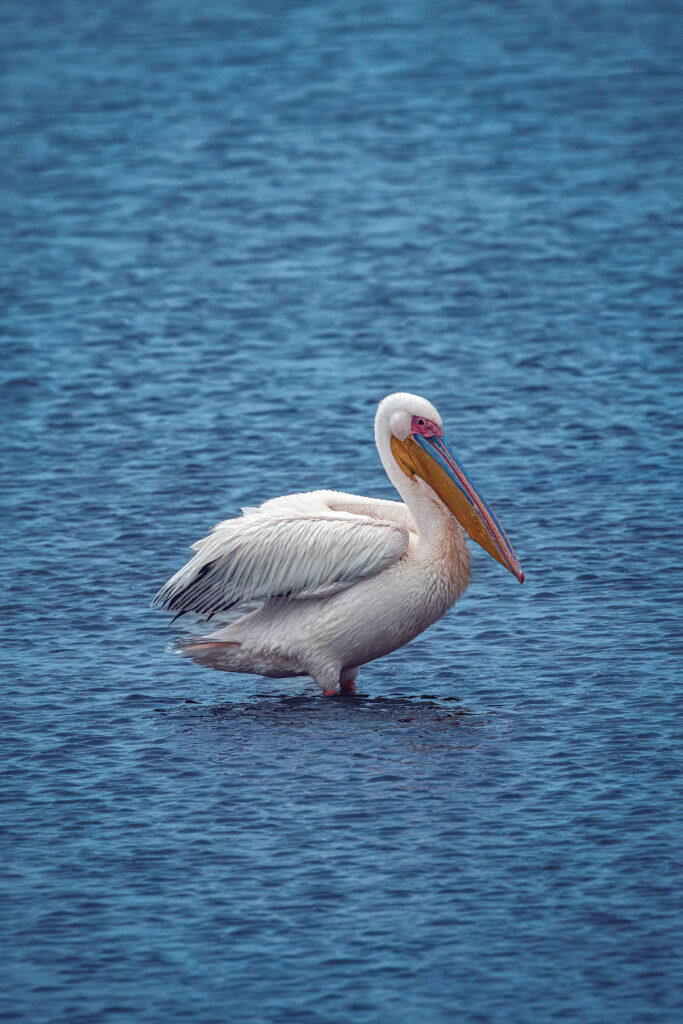
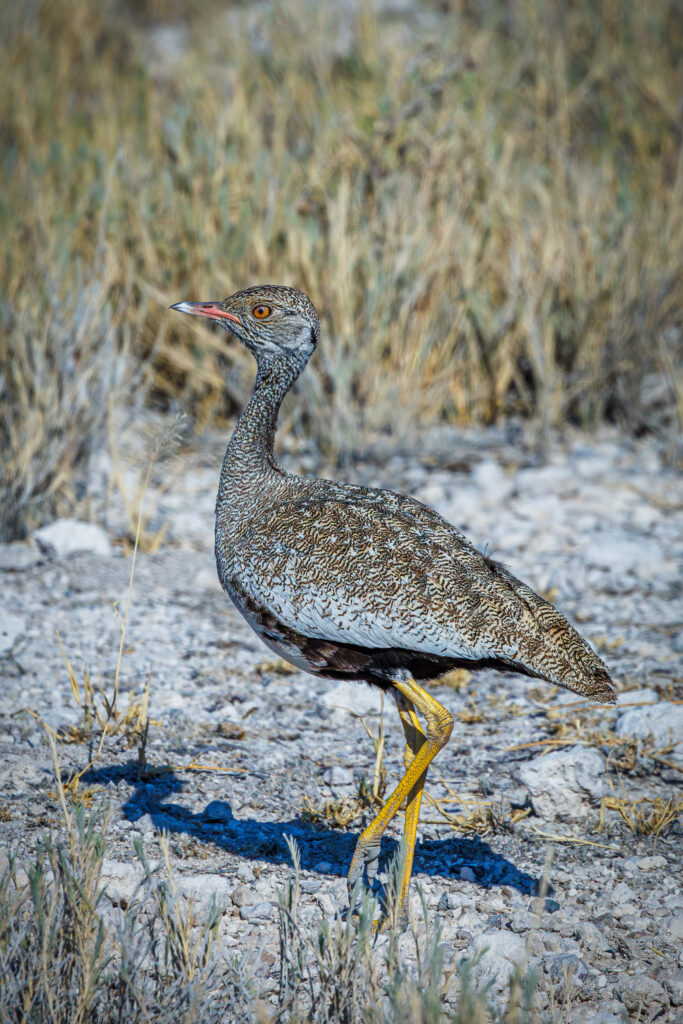
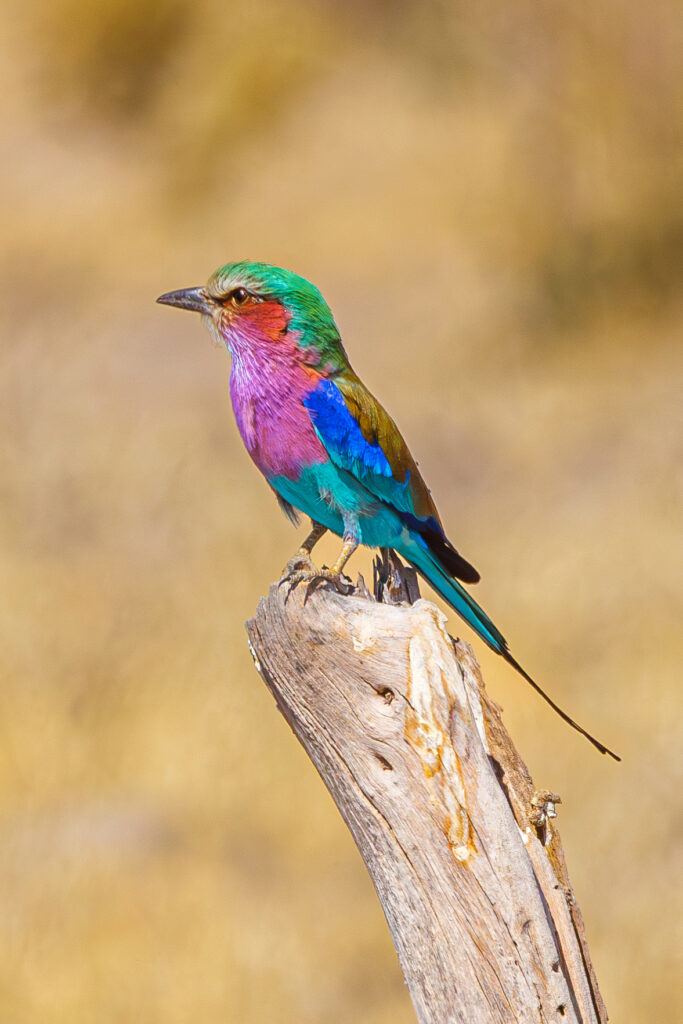
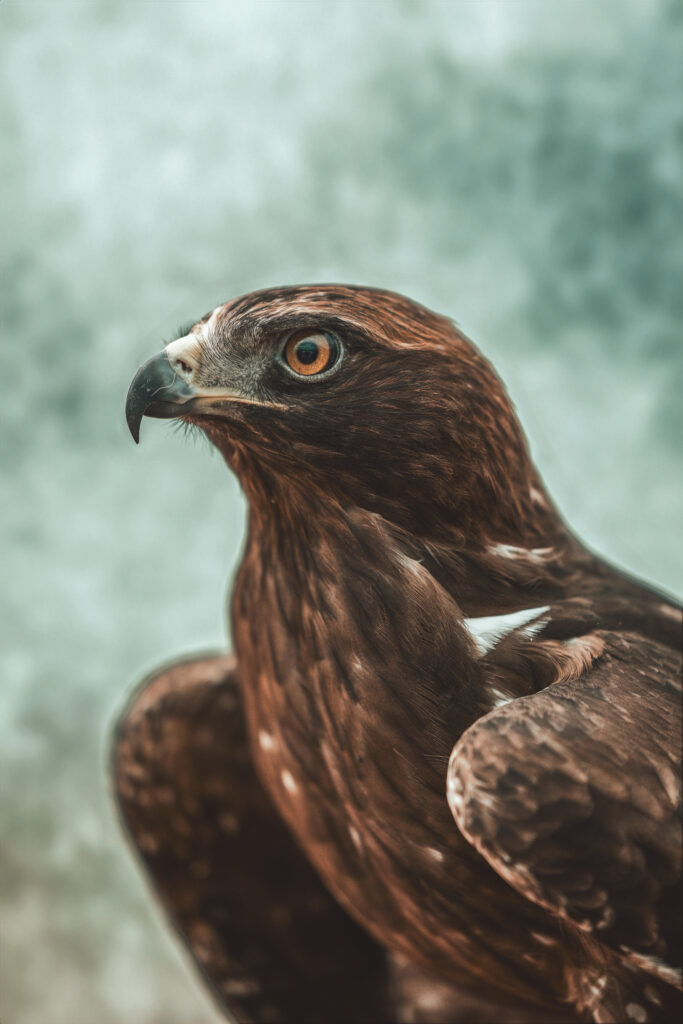
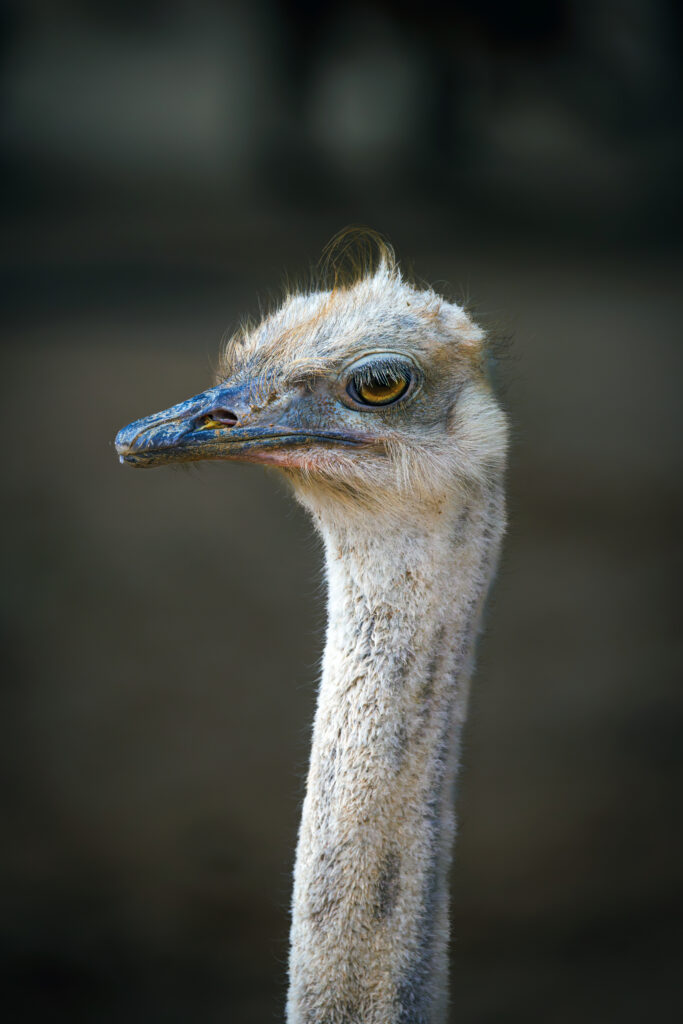
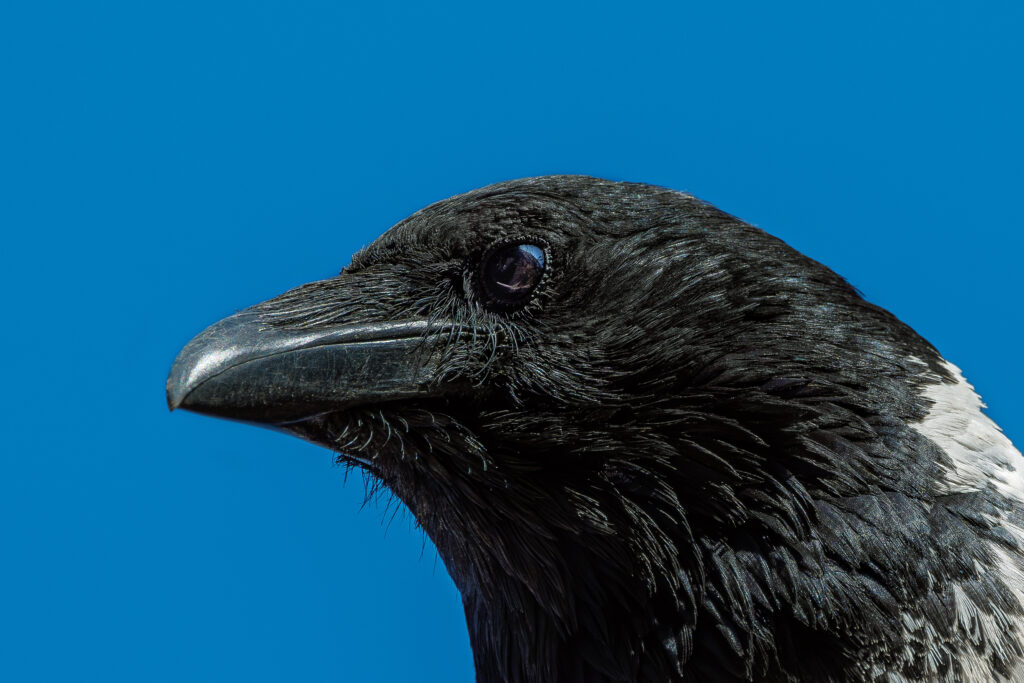
Every Wildlife photographer finds himself, sooner or later, facing the great dilemma: “Could I take some photos of birds, or do I risk falling into the abyss of Birdwatching?” The answer is always the same, “No, it won’t happen to me, I’ll be strong, I’ll resist, I’m not like everyone else”, but he regularly finds himself chasing, frustrated, sparrows, swallows, crows and ravens and every other kind of bird, wherever he is.

Birds are not, among the Animal Kingdoms of Vertebrates, the most numerically important, but they are in second place with a number between 9.000 and 10.500 known species, behind Fish (about 32.000 known species), and precede Reptiles (between 8.000 and 11.000 species), Mammals (about 5.500 species) and Amphibians (about 6.700-7.000). Third place if we consider the next rulers of the planet, insects (approximately between 900.000 and 1.500,000 classified species. But it’s thought that up to 5.500.000 insect species may exist, it gives me shivers), which however are invertebrates. I do not consider the other taxonomic categories that include more or less another 500.000 other forms of life (Consider this numbers above fluctuating and indicative – Source WWF and Wikipedia – as new species are discovered every year. 20.000 of which are insects).

But let’s get back to the point. In all this abundance of Life, however, birds are the only ones to have created an “addiction” in humans, a so strong addiction so that it deserves its own name (Birdwatching, precisely). Yes, yes, there is also “Whale Watching”, but it is a more recent definition and is mutued from the first one, and above all it’s more complicated to have as a daily hobby for most of us.

What do these small, medium, large and very large madafaka have that other animal species do not have? I don’t know. Maybe they touch our most masochistic part, the one that leads you to wait for hours to see a “Hildebrandt’s Starling” finally land on a branch in front of you, only to see it fly away before you can even take a shot, maybe just because you scratched your ear from 200 meters away. Or maybe the cult of desperation to spend hours trying to figure out if that thing in front of you in the South African bush is really a Cape Sparrow or an Australian bird, which your guide to the birds of the world says shouldn’t be there, in addition to having become extinct at the time of the Napoleonic Wars. Or maybe the pity you feel for yourself knowing that, when you go out for a walk with your wife and family and without equipment, you will surely see hundreds of birds of every type, even the extinct one mentioned a few lines above; but, if you have your equipment with you, probably only leaves will be flying in the sky. It’s an unwritten rule. Unwritten but true.

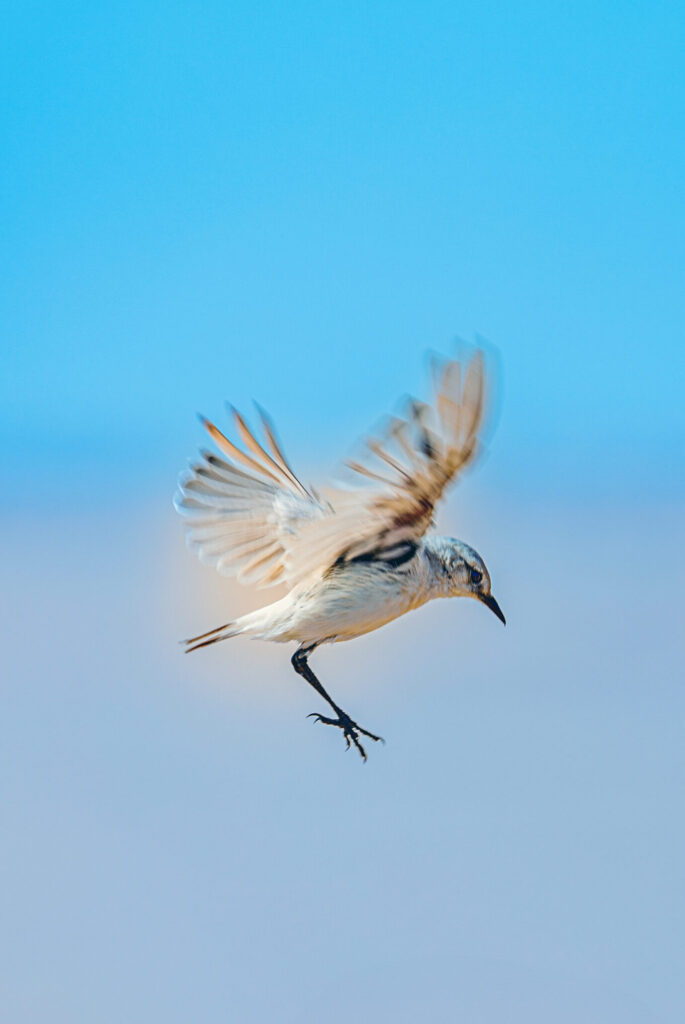
Well yes, despite all we, Wildlife Photographers, love (and hate at the same time) birds, especially the small and elusive ones, the ones that run away even if you are 5 km away, the ones that fly erratically and unpredictably, with changes of direction and crossovers as Kobe Bryant, or the ones that, if they are still, are surely looking in the opposite direction of your. And we desperately try to photograph them, convinced that sooner or later our lucky day will come.

Aves Nerds Info

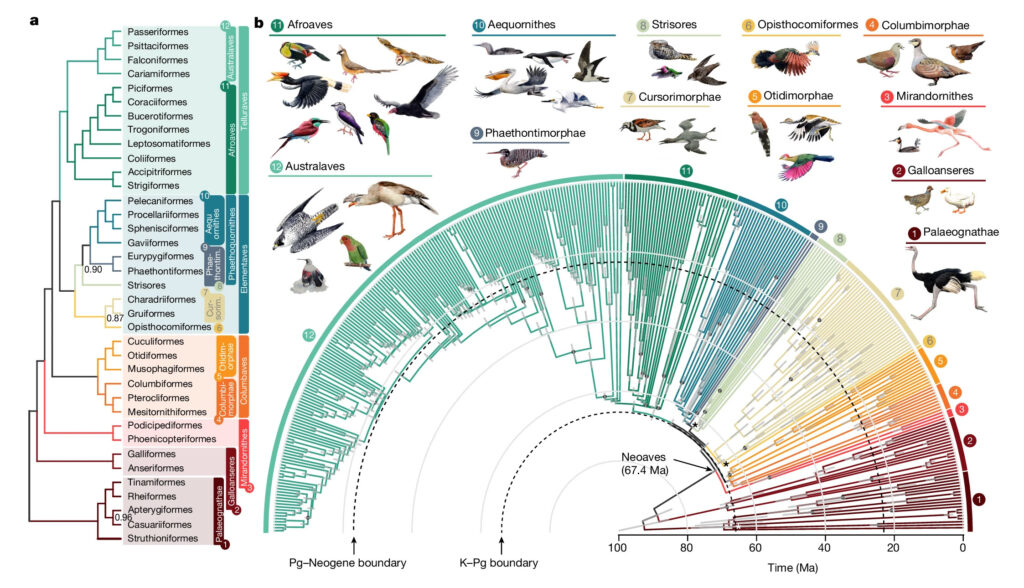
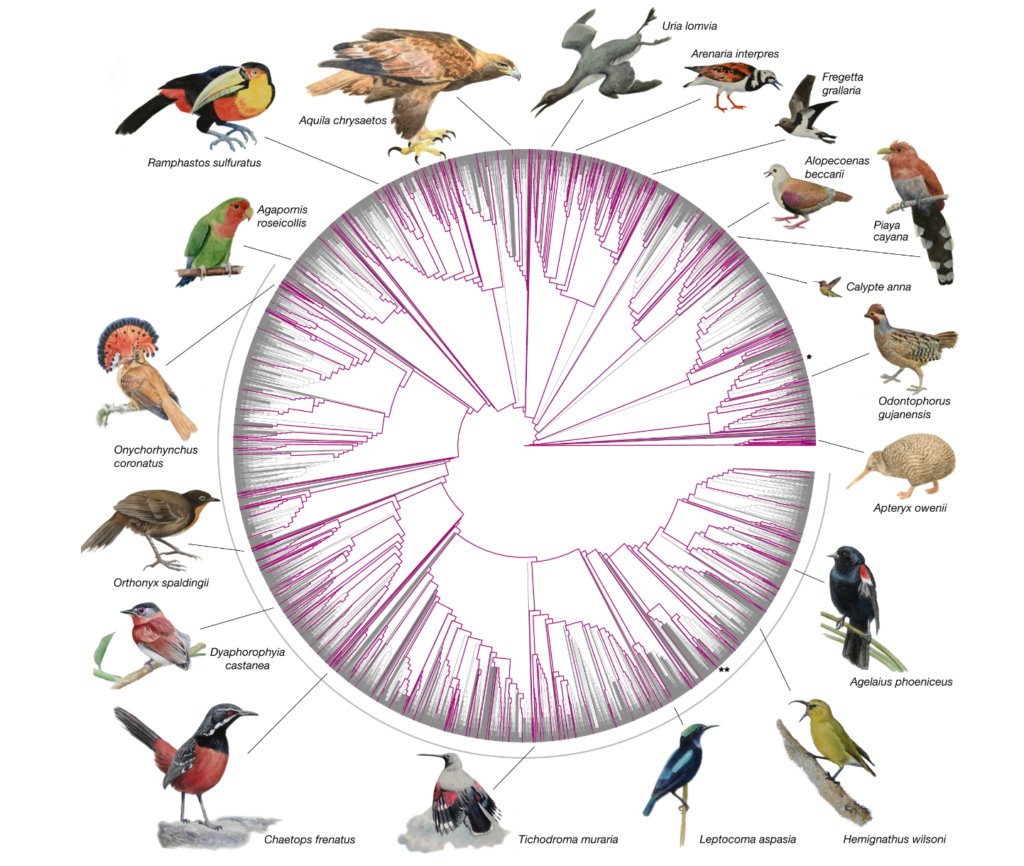
Relationships and divergence times for 363 bird species.

Historical Birds Family Tree (Post Dinosaurs Evolution) 

What makes us so attracted by these modern descendants of dinosaurs, so much so that we waste hours observing them, classifying them, distinguishing them, photographing them?
Maybe the fact that they are the most “wild” thing we have available almost everywhere and almost always, including big cities, maybe because they are colorful, elegant, for the thousand evolutions that we can capture in the sky (and not only), maybe because they can be funny, clumsy, entertaining, fluffy and at the same time threatening and powerful? Or maybe just because their flight makes us unconsciously think of freedom? To each his own answer.

But how do we avoid falling into the abyss of Birdwatching? It’s hard to say, for those like me who try not to fall in entirely by clinging to the walls of “the hole”. My advice is: diversify, don’t just get fixated on birds, every park, field, forest, has not only elusive birds to admire, but also a quantity of other small wonderful creatures that are just waiting to pose for you. So buy yourself also a macro lens, if you don’t already have one, and show those small infamous birds that even a bee, a butterfly, a ladybug, a frog, a snail or a rabbit, can be a good alternative to them if you don’t have, or when you don’t have, the possibility of going to Africa or other places where birds are only a “part” of the show, often non-protagonist actors, sometimes just extras. And you will see that the moment they see themselves left aside, they will do everything to be seen, it’s another unwritten rule. And in that moment you will have your revenge.

Jokingly-but-seriously, the variety and the relative good availability of potential winged subjects to photograph can lead to repetitiveness in the production of your content and distract your admirers, followers, customers, because the Birdwatching is a wonderful thing, but often those who are not down inside in the “birdwatching hole” cannot understand it.
Which are the largest Birds Families? Here the Top 10 (out of) 253.
Are your favorites among them?

Can’t find your favorites? 

Tyrant Flycatchers
0
Tanagers & Allies
0
Hummingbirds
0
Pigeons, Doves
0
Old W. Flycatchers
0
Ovenbirds
0
Hawks,Eagles,Kites
0
Antbirds
0
Woodpeckers
0
Finche, Euphonias
0

References

  • W.W.F. Website (Animal Kingdoms Numbers)
  • Wikipedia (ENG), (Animal Kingdoms Numbers)
  • nature.com (Credit: Jon Fjeldså (drawings) and Josefin Stiller)
  • mongabay.com (Figure from Stiller et al 2024
  • birdfamiliesoftheworld.com (Birds Families Count)
Prev The Curse of the Uncatchable Whale
Next Hated and Underrated

Leave a comment